Ancient
Archives,
Modern
Thirst
How Water Falters in
Mexico’s Cuatro Ciénegas Basin
IN AN UNLIKELY DESERT OASIS a quiet catastrophe unfolds.
Beneath the desert crust lies a hidden ocean.
Its waters built a world unlike any other.
Here, microbes still live as in early Earth.
They survived by building together.
Now water is fading.
This cradle of life stands between memory and disappearance.
Reminding us that even ancient waters...
...can die of modern thirst.
Mexico's Fleeting Oasis
This scrollytelling site explores growing water scarcity in Cuatro Ciénegas, one of the most biodiverse desert oases on Earth.
Through science, history, and local voices, it traces what is being lost and what is still being defended.
Follow the map to enter drone-made 3D models of each lagoon, or scroll downward into the basin’s deeper history.
Six stories. Galleries. Videos. English and Spanish.
One fragile world.
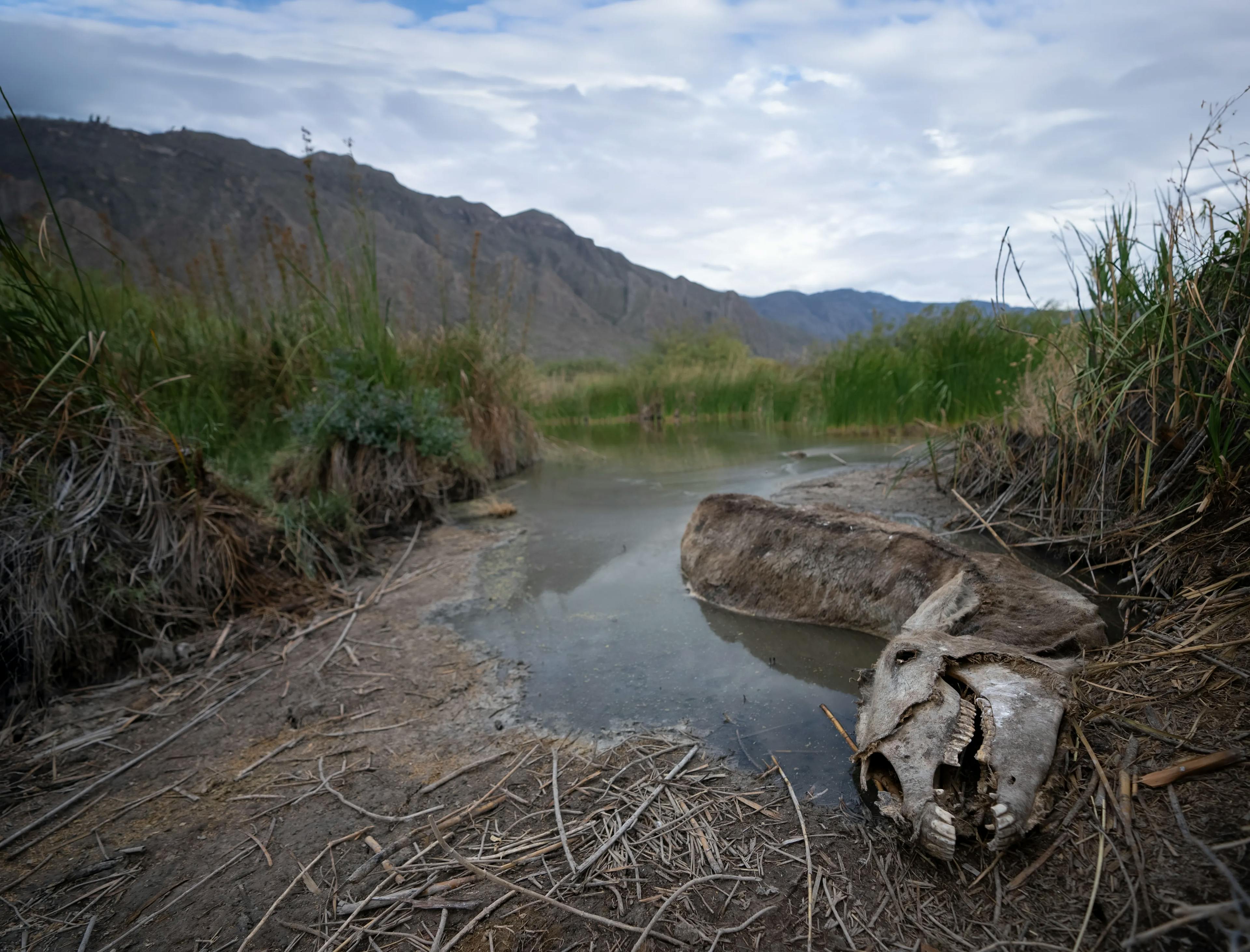
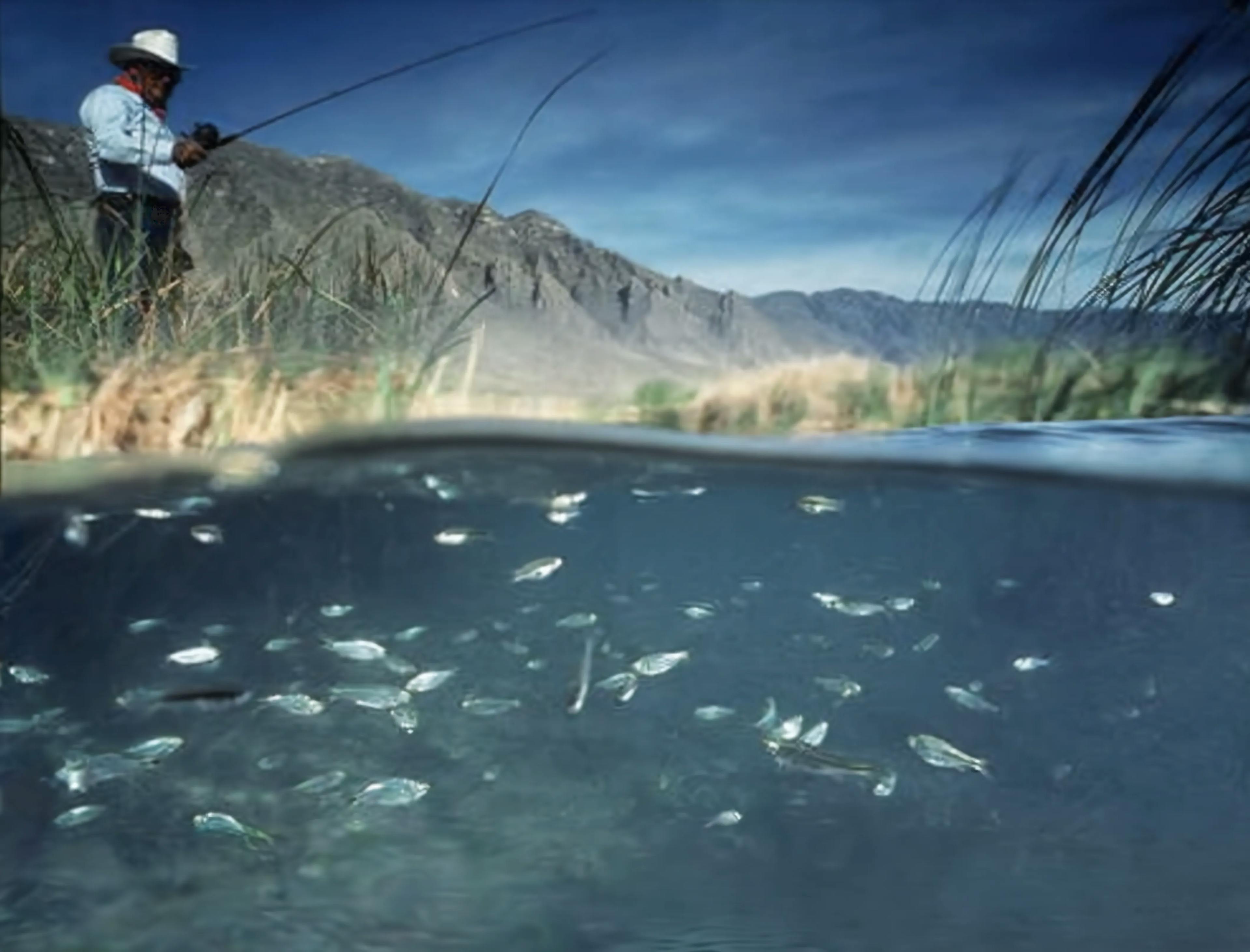
by George Grall
1995 — Fishermen cast into Churince’s waters
by Benji Soto
2025 — A corpse now lies in its shallows
Each diverted stream and drilled well.
Another stitch came loose.
The system unraveled.
Half a billion years came undone.
To the untrained eye... seasonal drought?
But those who read the water saw the signs.
Fish vanish. Tule reeds invade. Sand follows.
Lagoons shallow.
And in their reflection, our survival flickers.
This did not all happen at once...
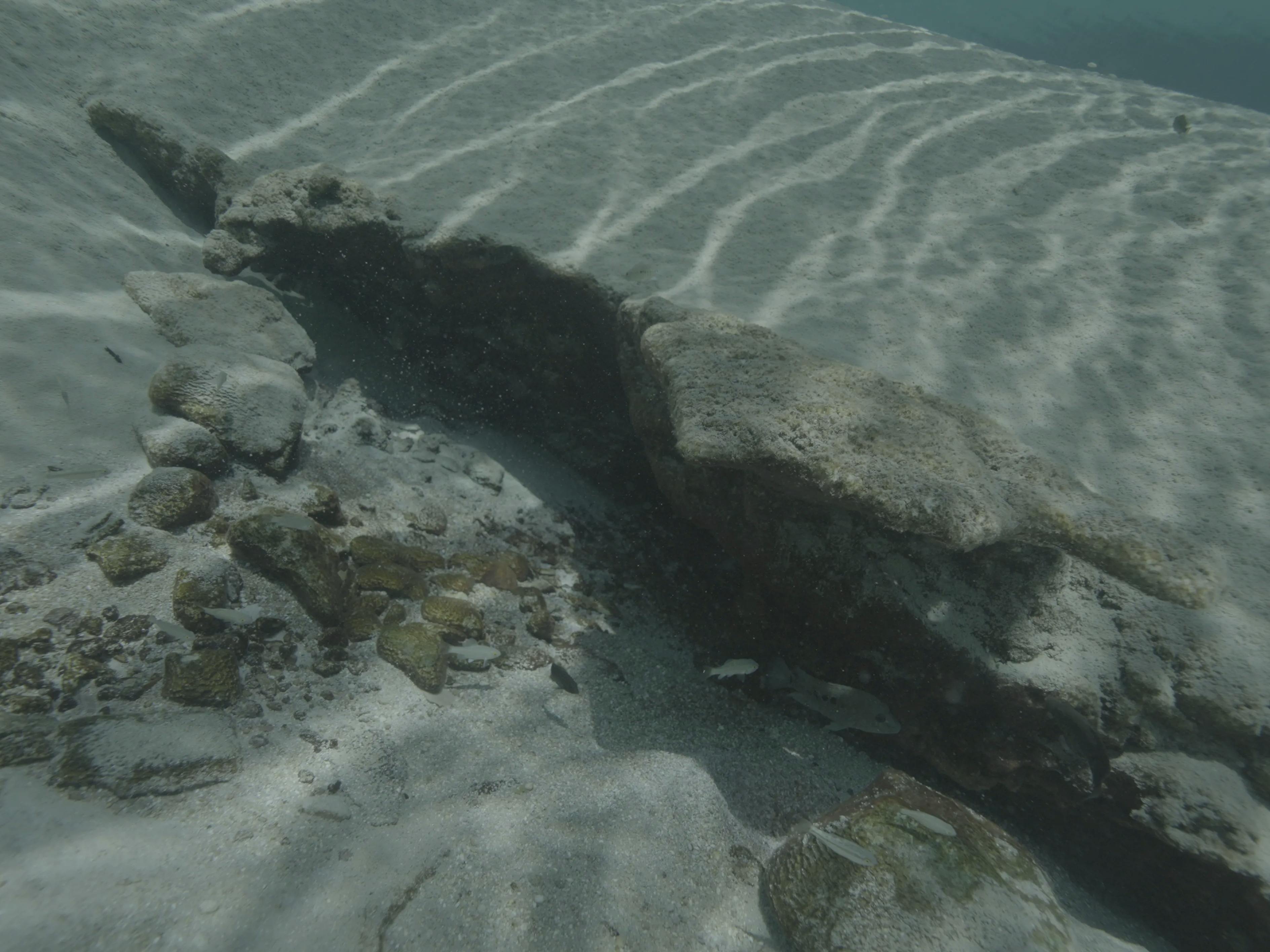
The Tethys Sea retreats
The ancient Tethys Ocean begins to withdraw. Inland lagoons remain, sealed in desert rock: a remnant of a much older ocean.
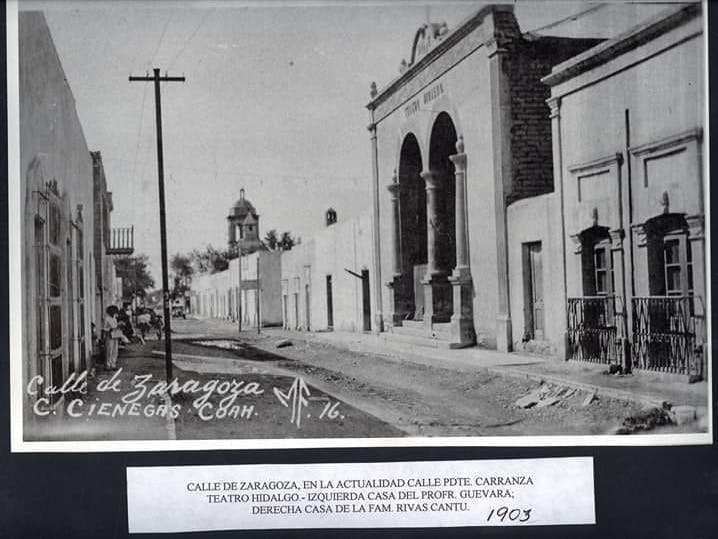
Industrial settlers arrive
Canals cut into the basin’s veins. Water is redirected toward fields. Depletion begins to take form.
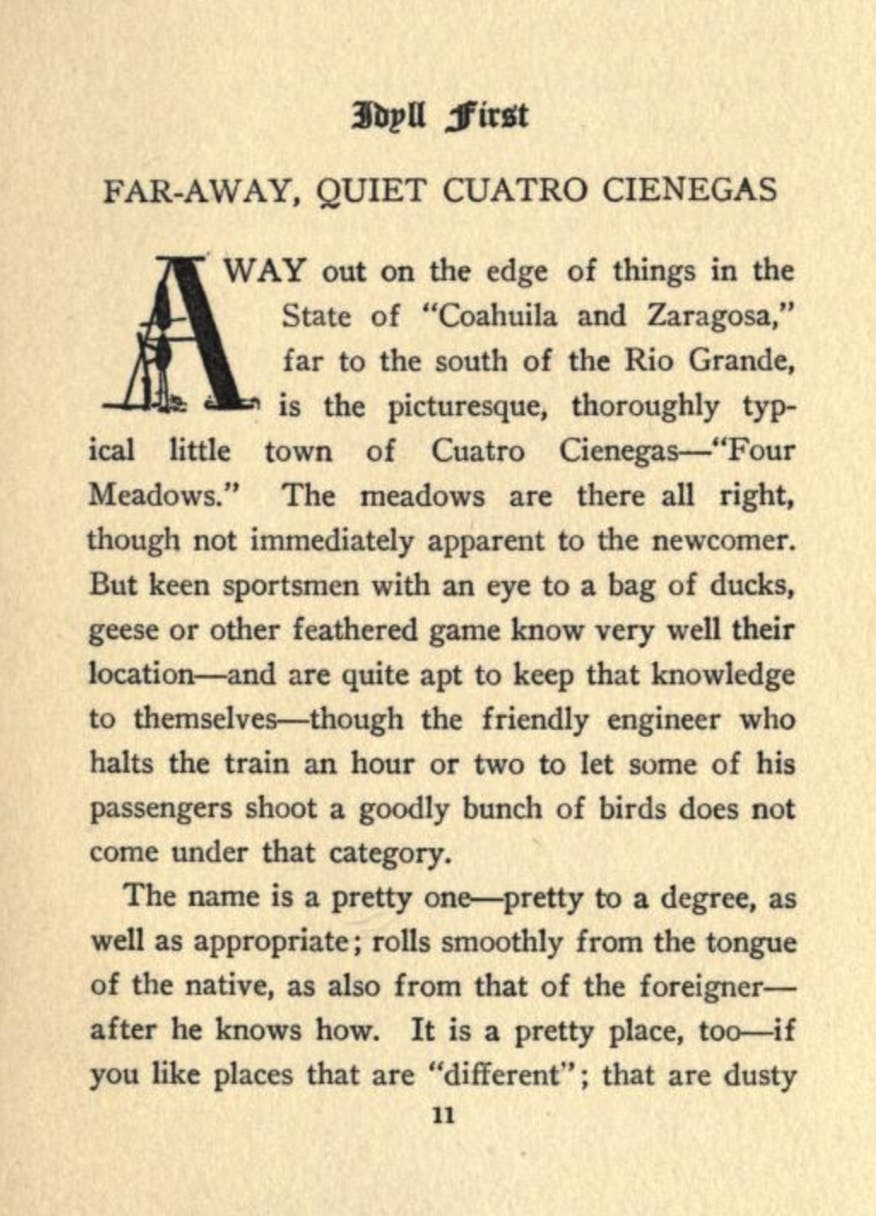
Lyrical warning
In A Summer Idyll of an Idle Summer, George Weeks notes that canal-building is “not a sustainable way to use water in Cuatro Ciénegas.”
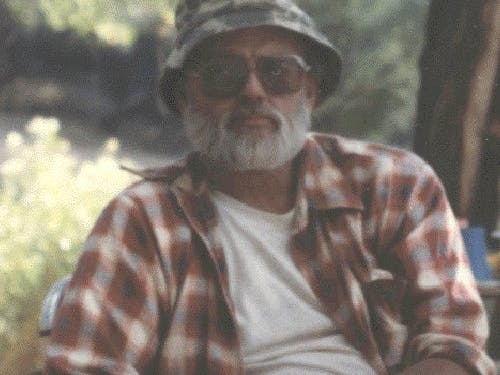
Scientists wander in
Biologist W. L. Minckley describes the basin as a single living system. Disturb the water, he warns, and life begins to come apart.
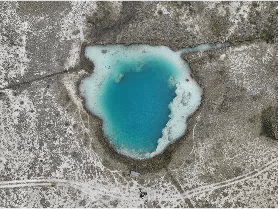
Recognition arrives
Cuatro Ciénegas gains Ramsar protection, a global recognition of the basin’s singular wetlands and biological richness.
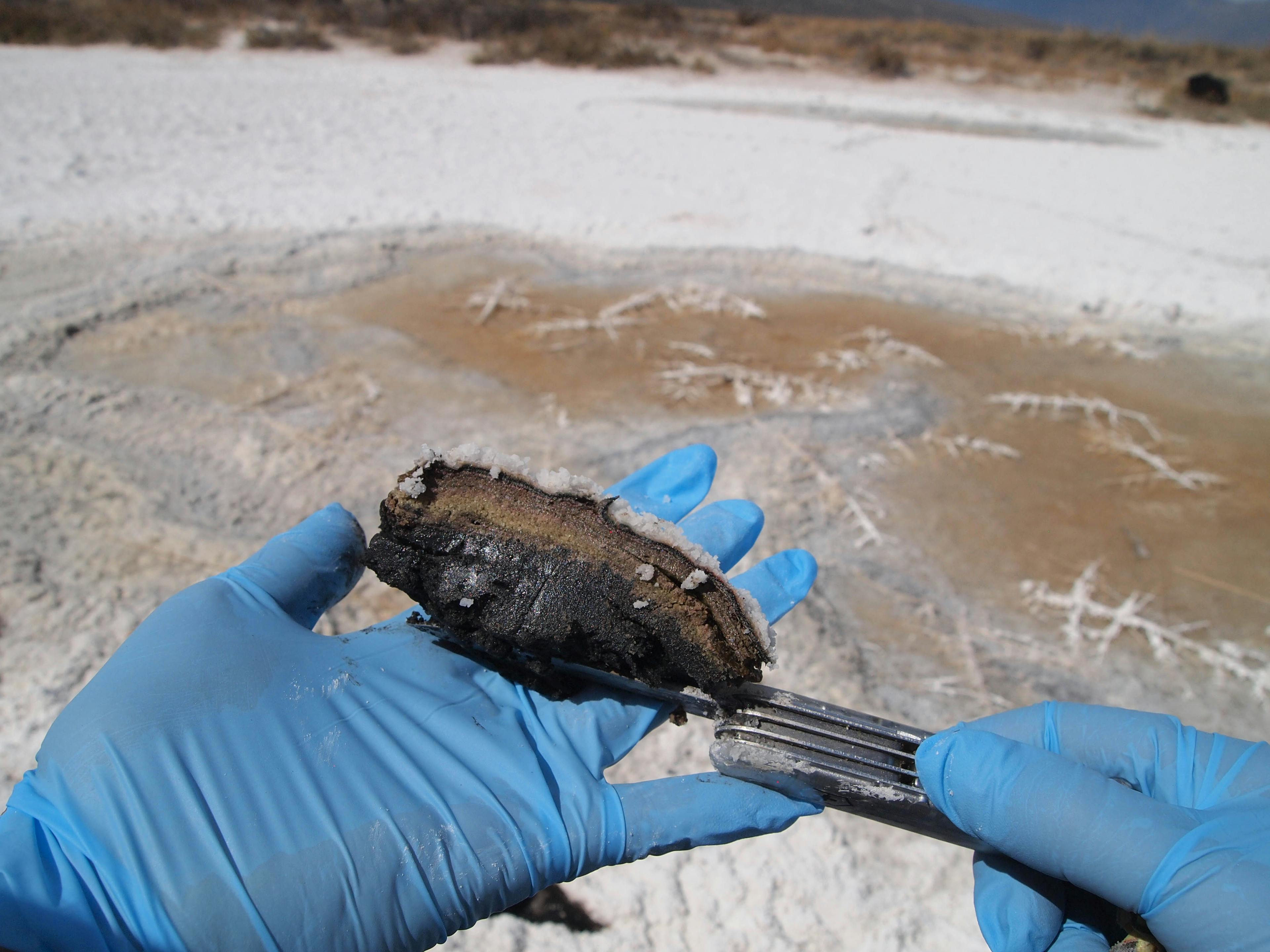
NASA steps in
NASA turns to Mexican scientists Valeria Souza and Luis Eguiarte to study its microbes, searching for clues to early Earth and perhaps Mars.

Mexican scientists sound the alarm
Souza and collaborators show that the aquifer carries traces of an ancient ocean. Its microbial life has endured for hundreds of millions of years.
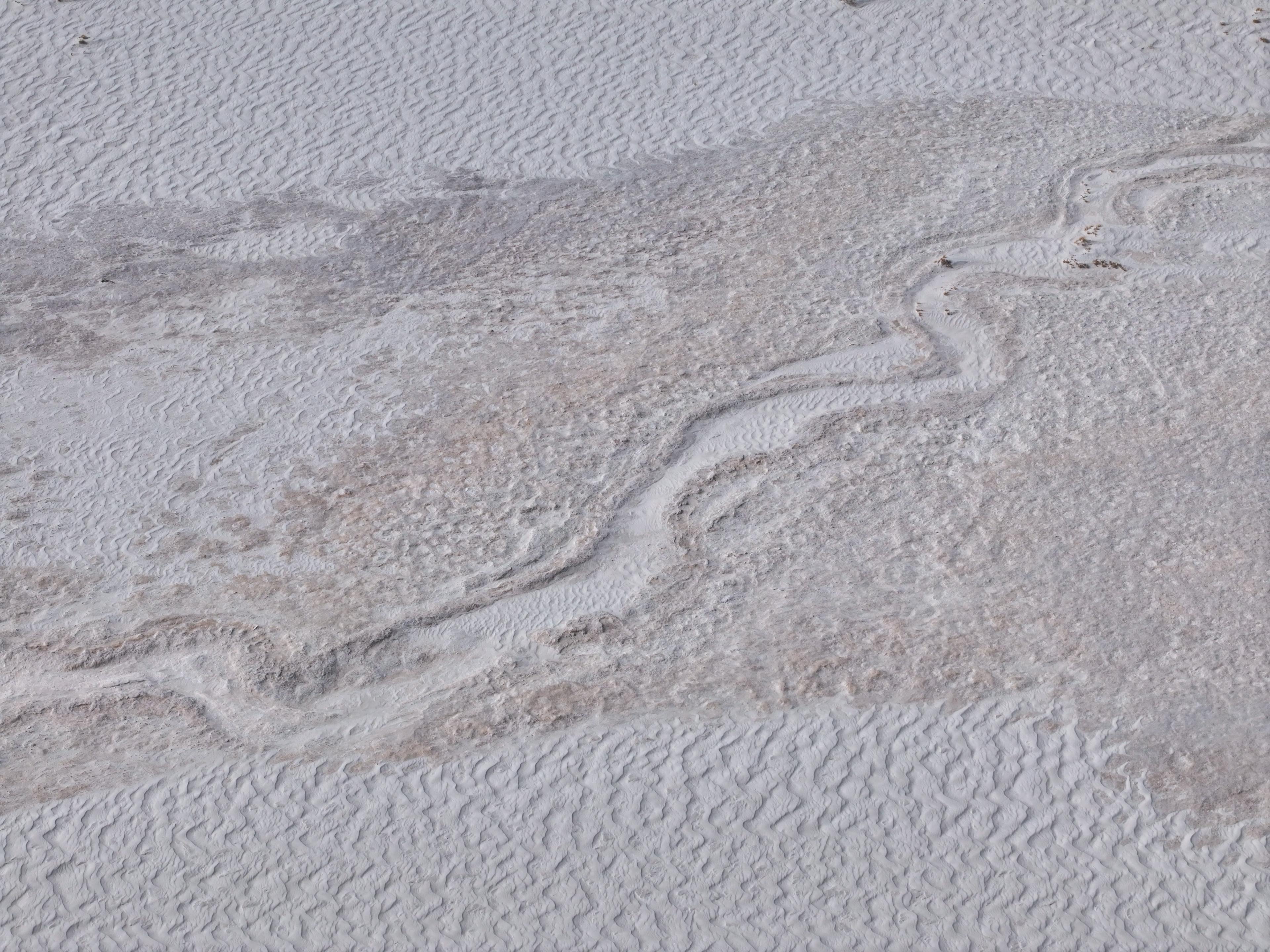
Warnings sharpen
International researchers return to study the basin’s ancient bacteria. The diversity increasingly extraordinary. The lagoons keep shrinking.
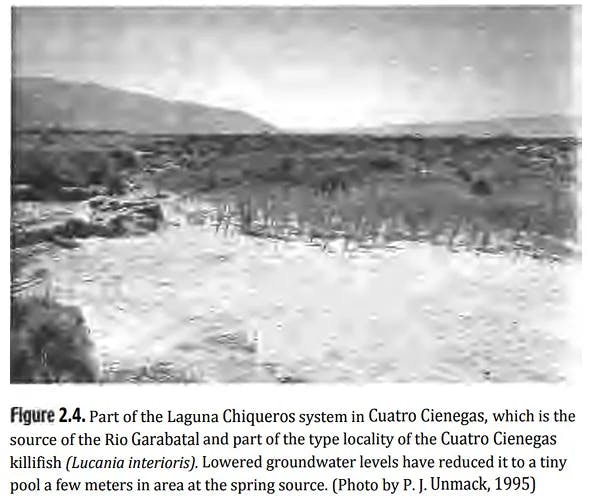
Prophecy fulfills
Minckley’s warning now reads less like science than foresight. Groundwater falls. Fields expand. Life begins to unravel in plain sight.
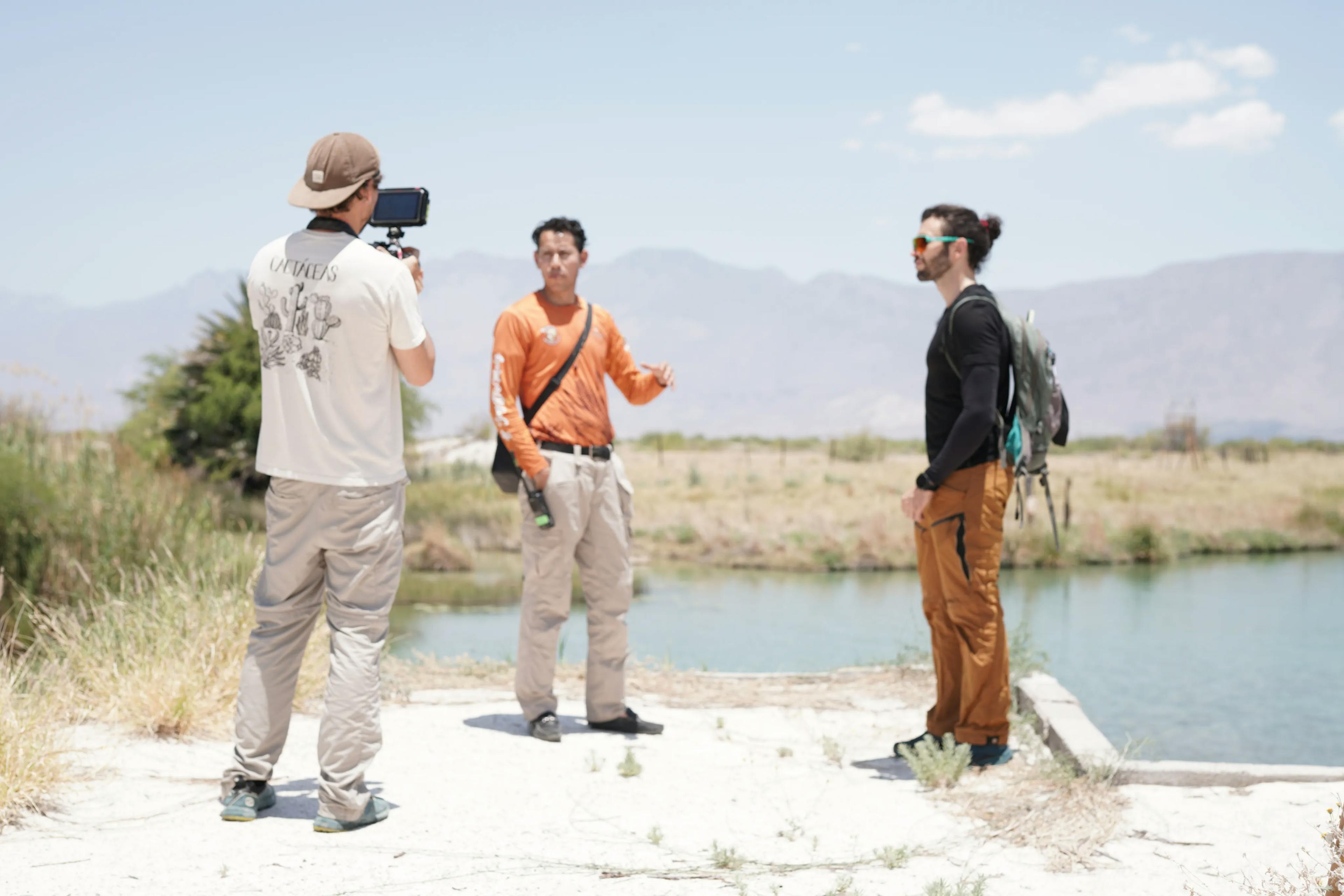
Lines harden
Conservationists and water users face the same vanishing supply. Protection and survival are no longer abstract positions.
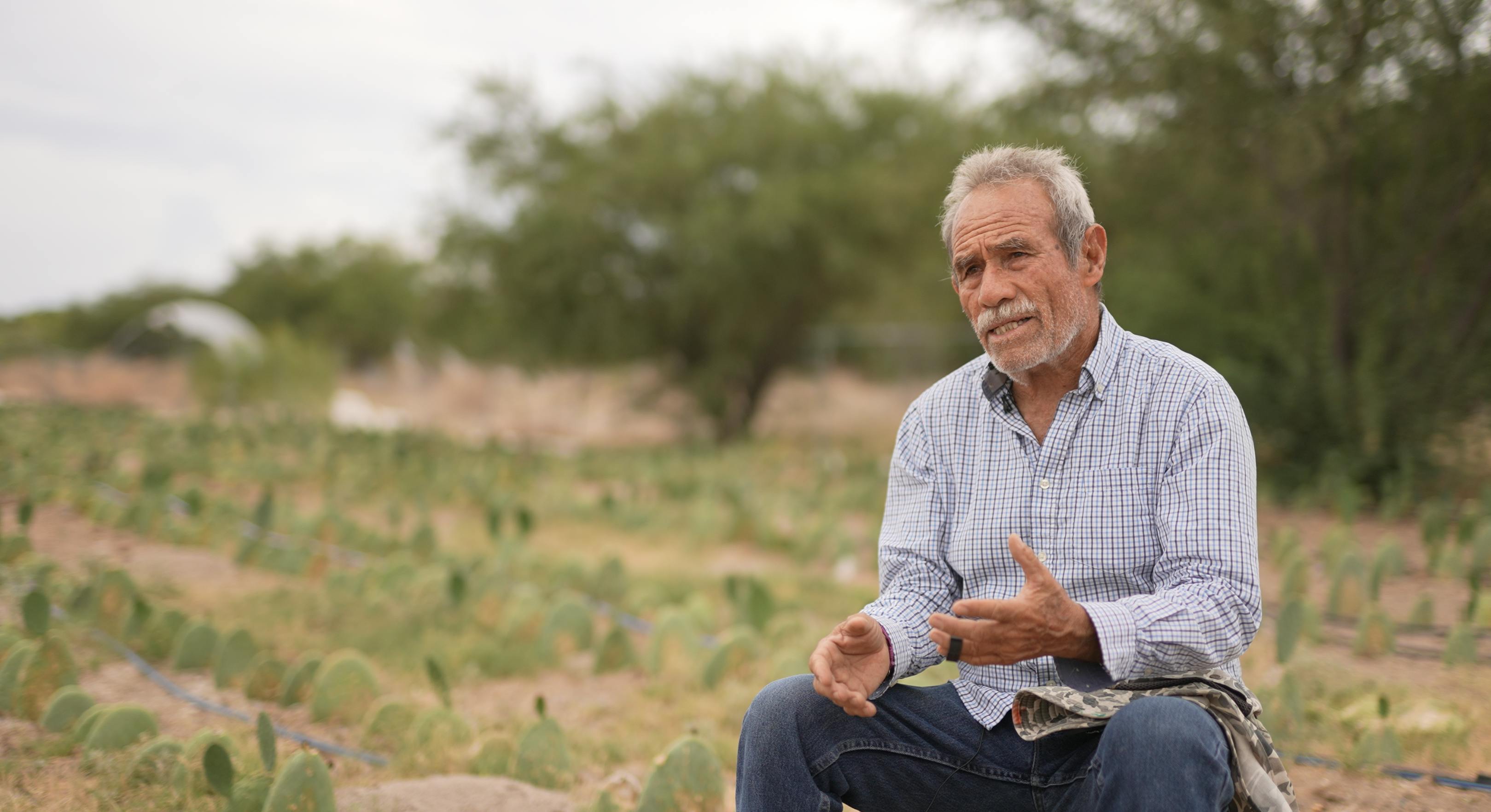
Flow trickles in
A shift begins. Local ejidos allow some water to move back toward the wetlands, opening a narrow path for restoration.
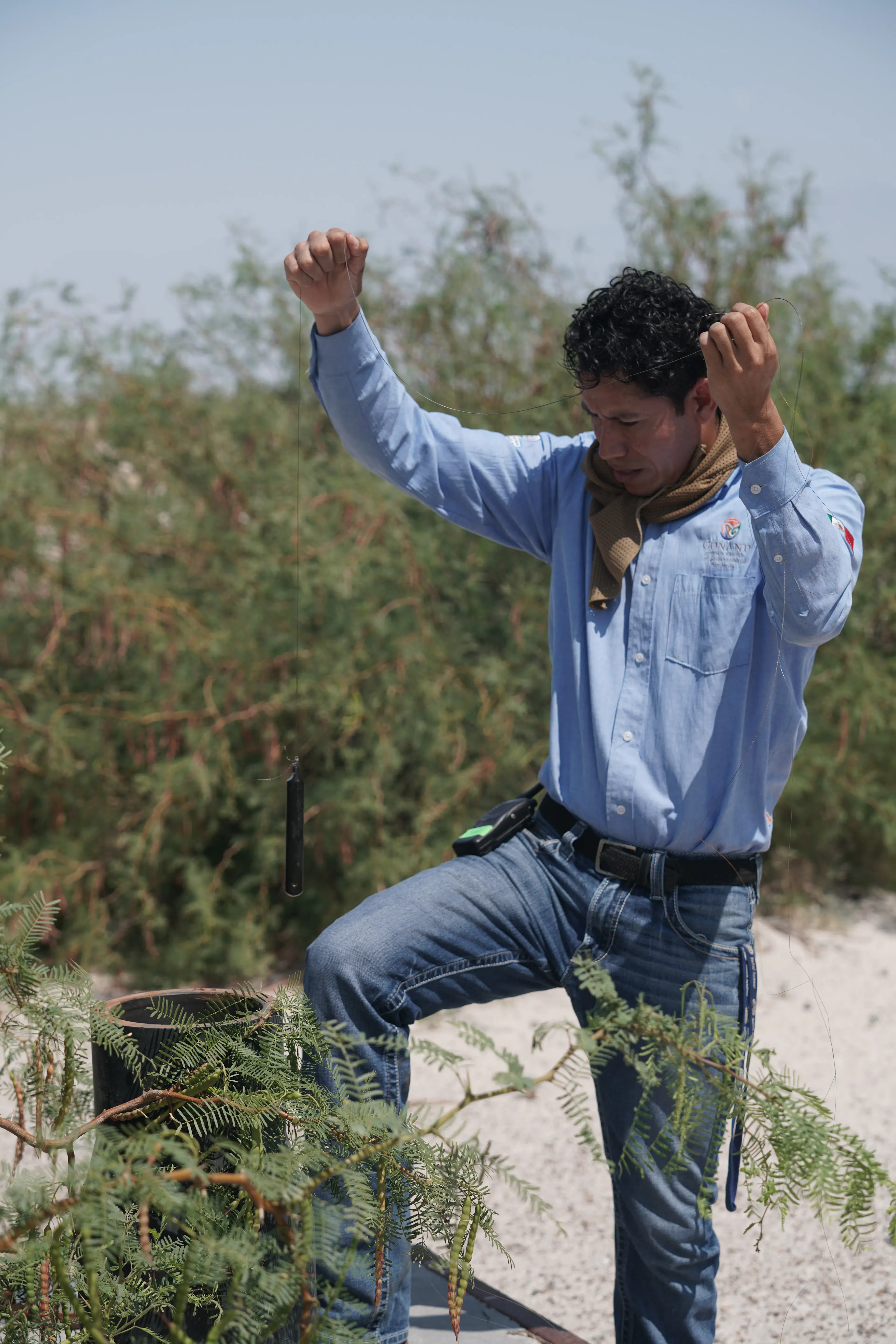
Conservation doubles down
Local conservation agency CONANP signs 5-year funding plan with World Wide Fund Mexico to restore select watersheds.

What began as a place to study origins...
...became a test of what can still hold.
PRIVACY POLICY & LEGAL
Copyright © 2025 National Geographic Society
Copyright © 2025 National Geographic Partners, LLC. All rights reserved
Six stories, mapped across the basin