Loading story...

The Ejido's Choice
As told by
Plinio Guzman
Photos by
Benjamin Soto
Trading Crops for Survival
January 20, 2026
Trading Crops for Survival
January 20, 2026
Loading story...
Loading story...
For years, the arithmetic worked.
Water arrived through the canal with enough regularity for alfalfa to be cut on schedule, baled on schedule, sold on schedule. The field answered labor with predictability. So did income.
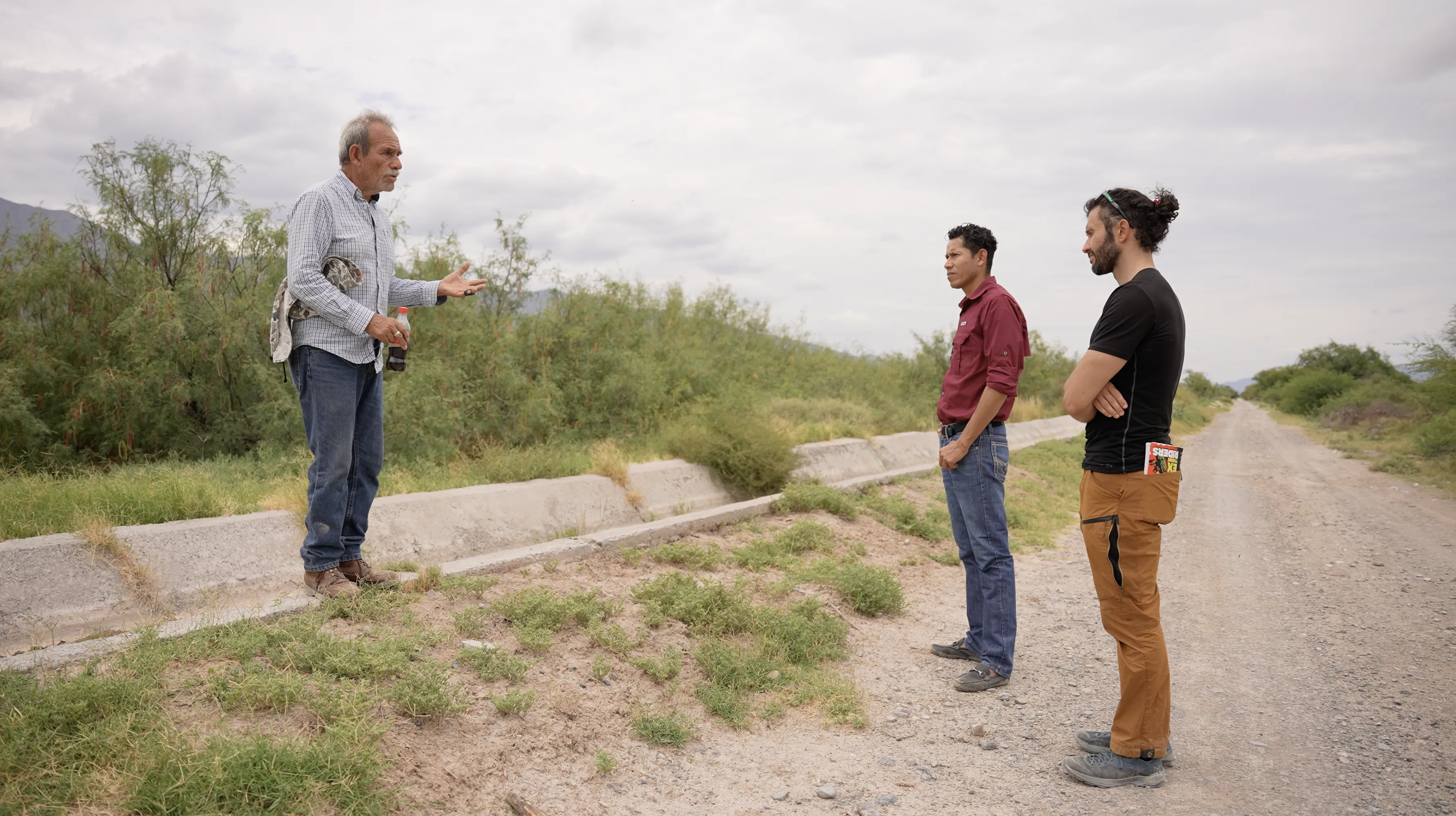
Professor Castillo spent much of his life teaching at the local high school. Now, as comisariado of the Cuatro Ciénegas ejido, he is teaching a different lesson: what happens when the old arithmetic no longer holds.
An ejido is a form of communal landholding established in Mexico after the Revolution, where members hold use rights and make shared decisions about land and water. In Cuatro Ciénegas, that collective structure turns hydrology into social negotiation as much as agriculture.
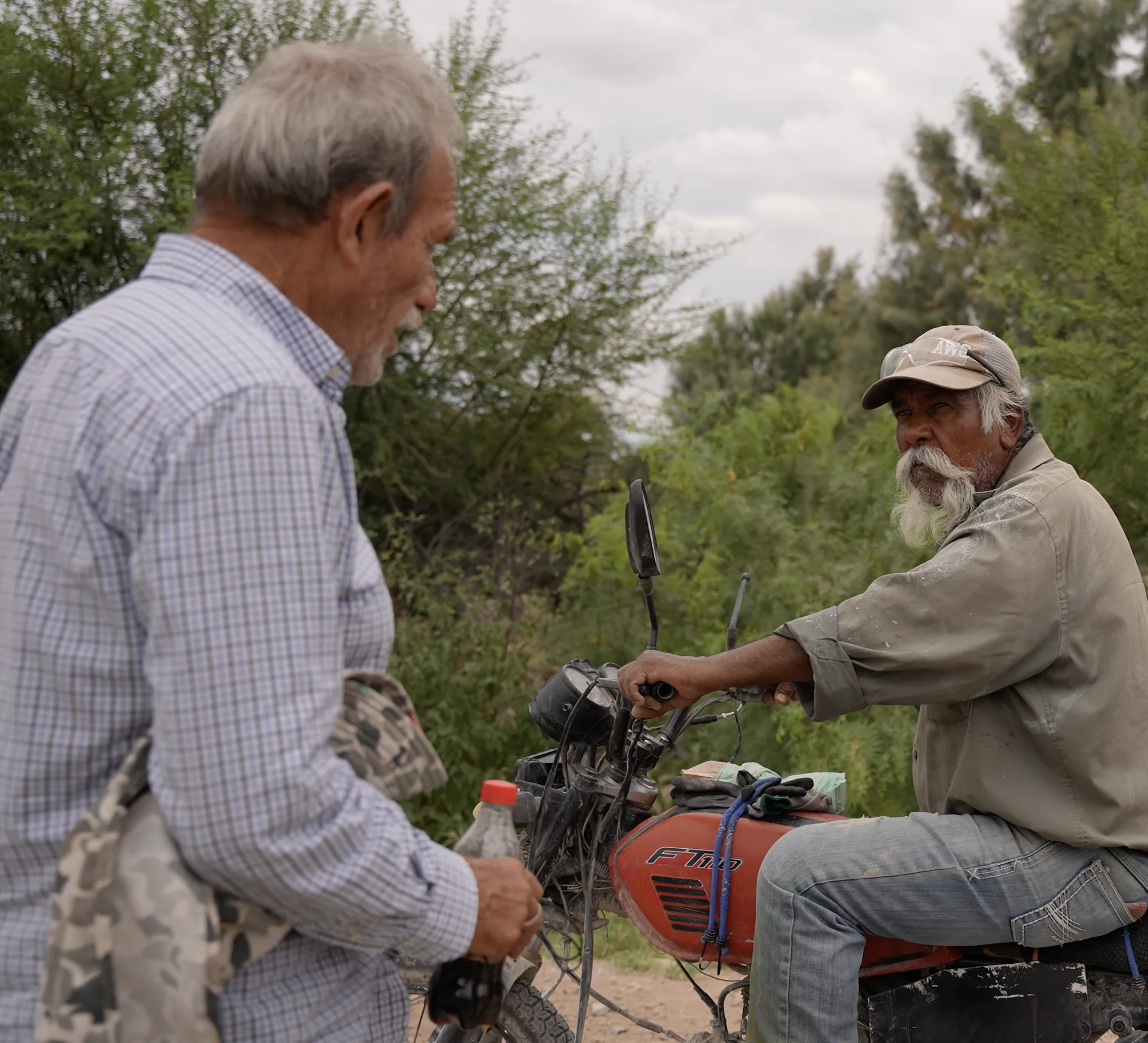
He stands at the edge of a field he has worked since the ejido granted him rights to work it in the 1990s. The land still carries the signs of care: leveled earth, repaired gates, order. But the confidence that once organized that work has thinned. Water from La Becerra arrives unevenly, if it arrives at all.
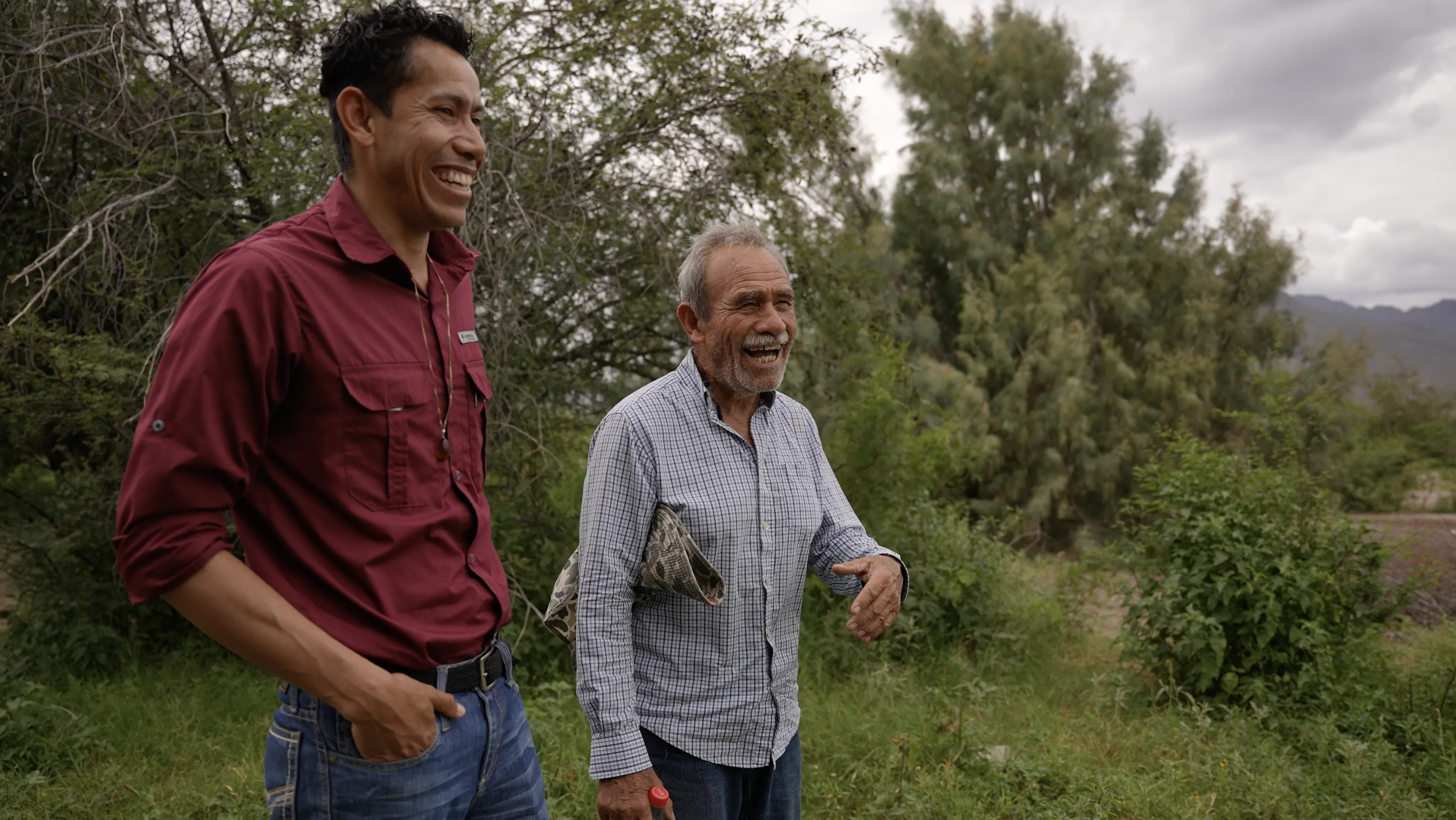
When Professor Castillo first received rights to farm this land, alfalfa felt dependable. A farmer could count on multiple cuts a year. Water came often enough for effort to convert into yield, and yield into cash.
Now the margins are tighter.
“The old model worked when water was more certain,” Castillo says. “Now the numbers punish you faster.”
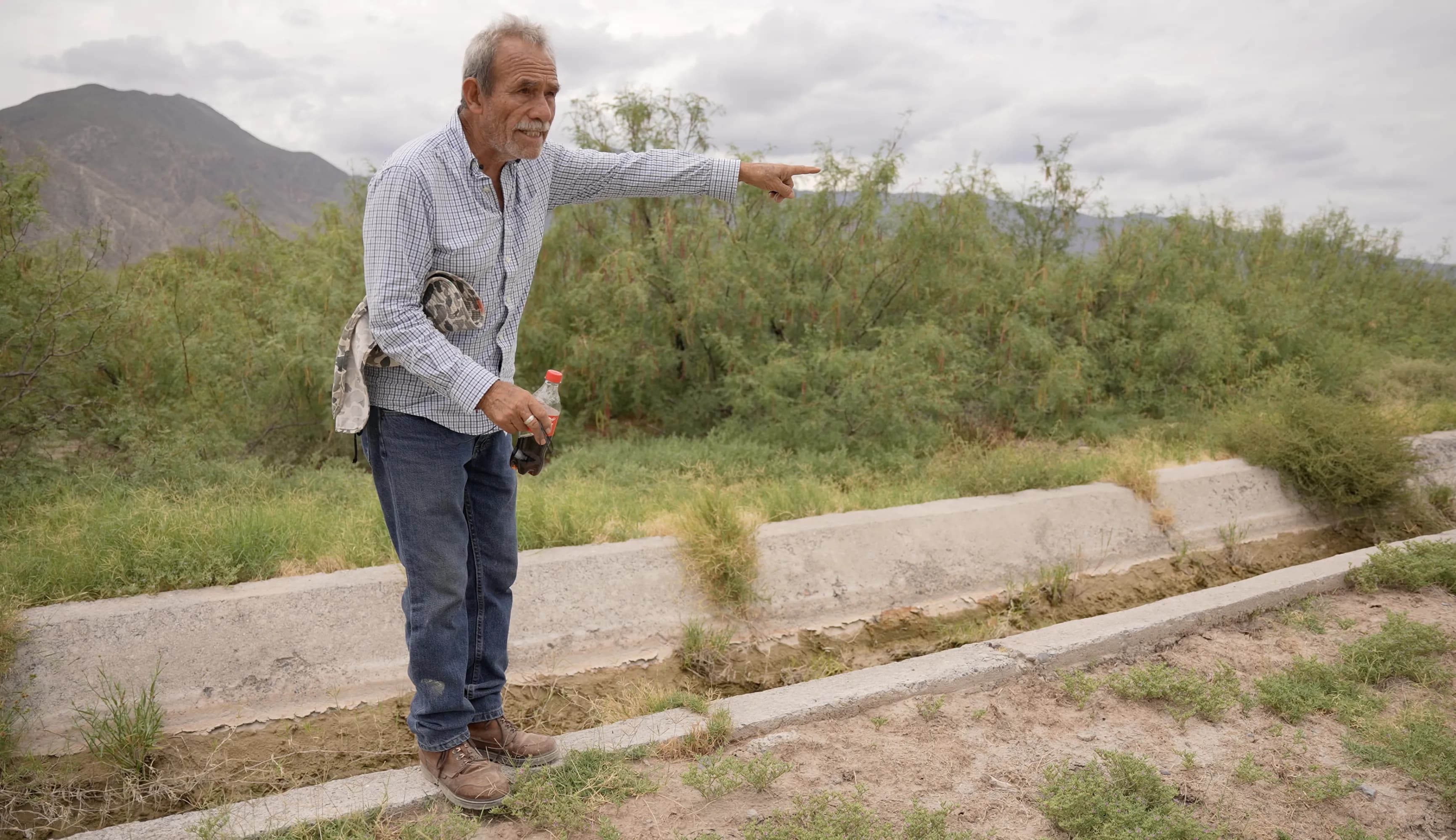
The first response to that tightening was familiar: ask for more water, drill deeper, expand, hope the next season makes up for the last. It was rational in the short term. It was ruinous at basin scale.
Castillo has begun experimenting with crops such as nopal forrajero, not because he has grown sentimental, but because the numbers have changed. A crop that uses less water and returns more value is not a philosophical correction. It is a survival strategy.
Traditional alfalfa farming in this valley asks for everything at once: water, leveling, drainage, weed control, labor, timing. If one part slips, the rest follow.
And the risk is not shared evenly.
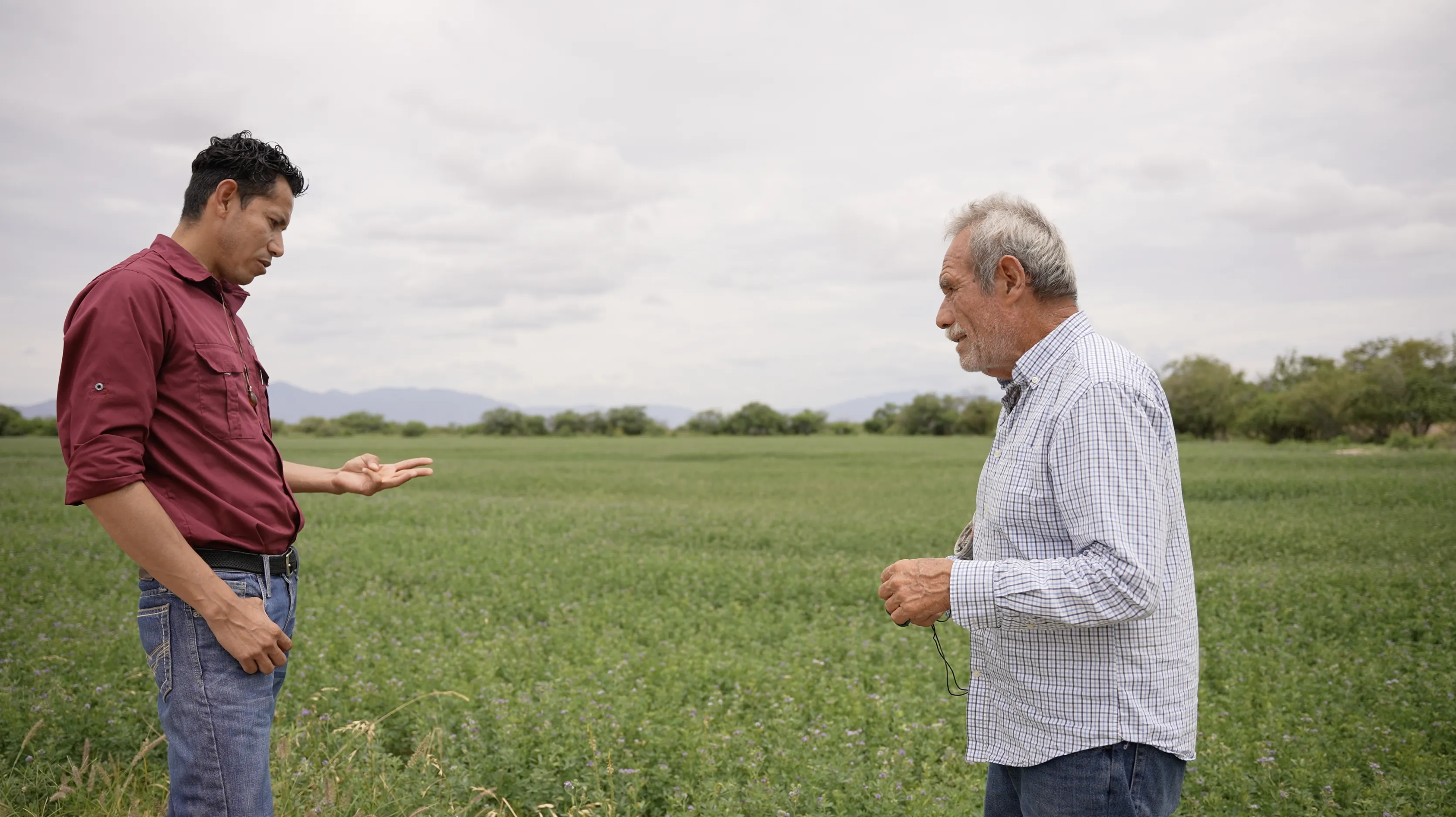
Large buyers can source elsewhere. Those with capital can absorb volatility or move into other businesses. Many ejidatarios cannot. Many are older. Their children often do not want the fields. A livelihood that once carried continuity begins to carry doubt instead.
The basin’s hydrology reappears here as household math. What fails in canals and lagoons is eventually felt in kitchens, debts, and departures.
About 250 kilometers south of Cuatro Ciénegas, the road reaches Viesca, another desert settlement shaped by water and then by its loss. There, springs and river once held a town in place until pumping outpaced replenishment and it became a ghost town in the 1950s.
What remains is not only a hydrologic caution. It is a social one. Places do not lose water evenly, and they do not live through that loss evenly either.
Viesca is not Cuatro Ciénegas. It is what happens when a water system changes faster than the human one around it can adapt.
In Cuatro Ciénegas, that adaptation has begun, if unevenly.
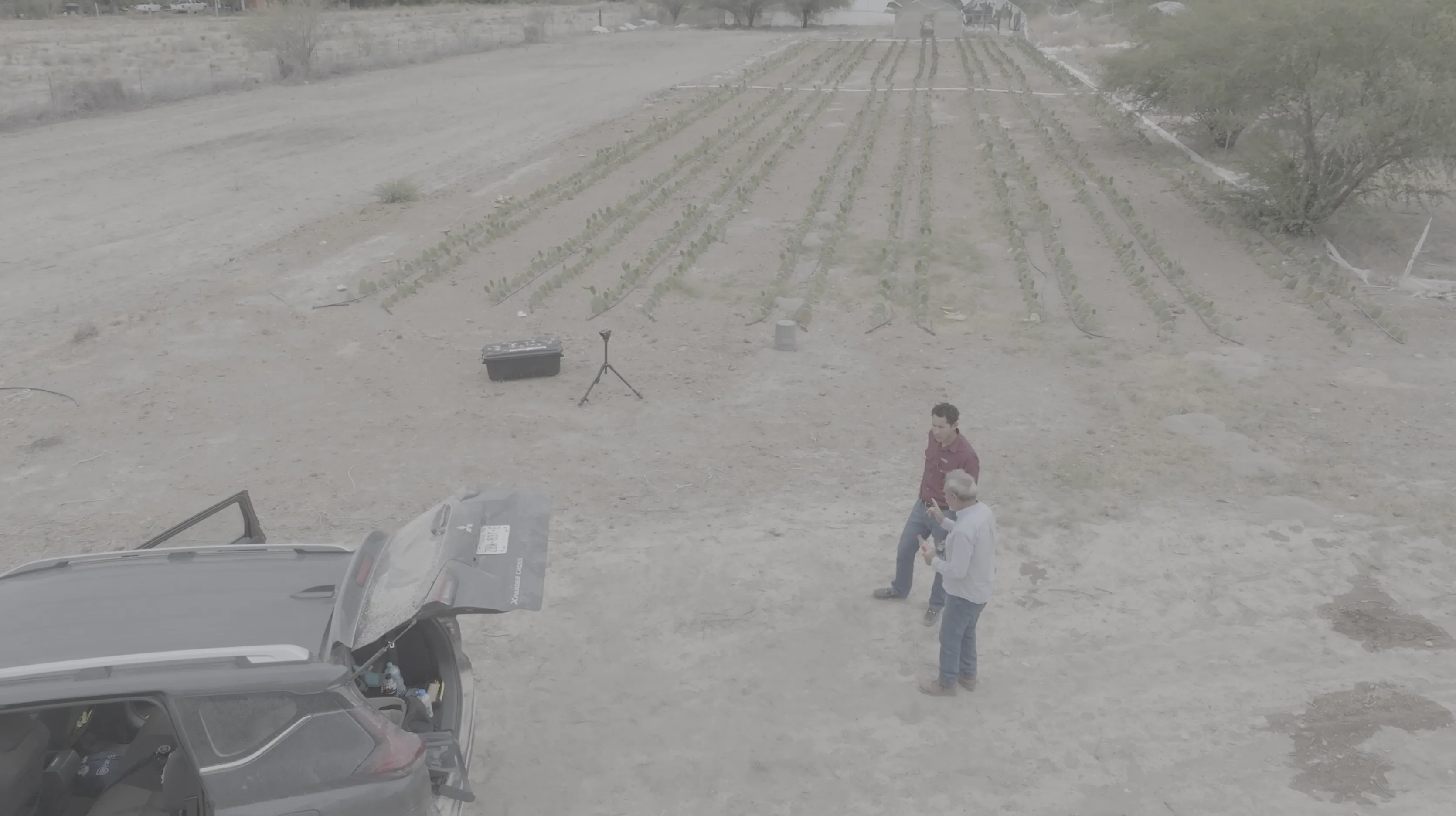
Ejidatarios who once viewed outside involvement with suspicion now participate in demonstration plots, monitoring, technical meetings, and conversations with scientists and conservation staff. Castillo puts it plainly: “We don’t need charity. We need options that actually work.”
What is changing is not only practice. It is imagination.
The assumption that prosperity must always mean using more water has begun to loosen. Nopal at the edge of the field is not just another crop. It is evidence that a different arithmetic may be possible.
Hydrology does not fail only in rock. It fails among people.
For decades, responsibility spread outward until it became difficult to locate. Each concession appeared manageable. Each season justified the next. No single decision looked fatal. Together, they produced collective risk.
That is why no downstream intervention can succeed in isolation. No restored spring can hold if the surrounding system continues to behave as though each extraction were separate from the rest.
The basin is asking for cooperation from a community shaped by scarcity, fatigue, and unequal power. That is harder than changing a crop.
The old circulation of Cuatro Ciénegas was water moving through stone, wetland, and spring.
The new circulation has to include trust.
Data, technical advice, local knowledge, and shared restraint have to move between people the way water once moved through the basin: across boundaries, not stopping where it is least convenient to continue.
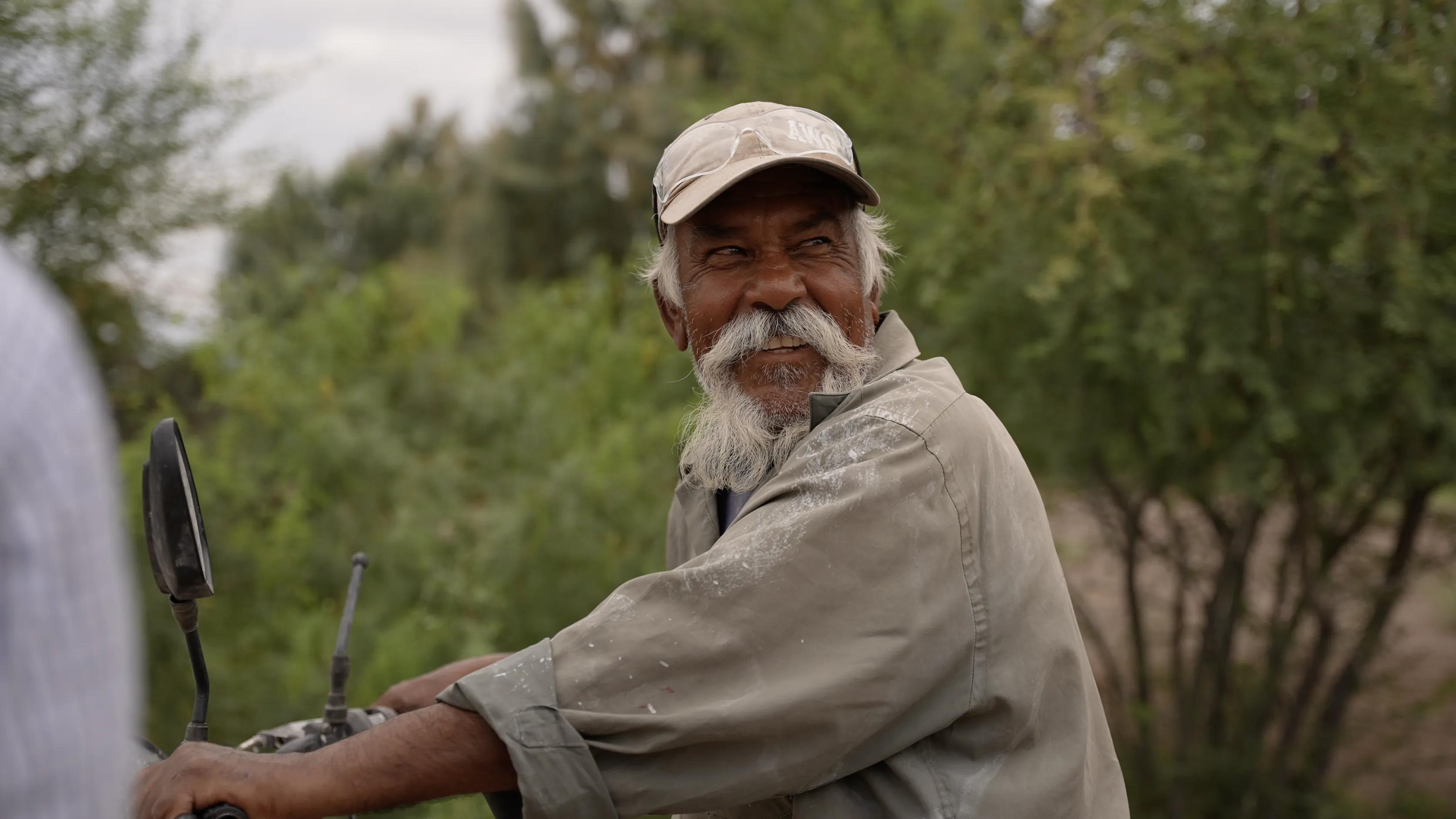
Professor Castillo looks over the field again. The question is no longer only what can be grown here. It is whether the human system can learn to circulate within the same limits the hydrologic system always had.
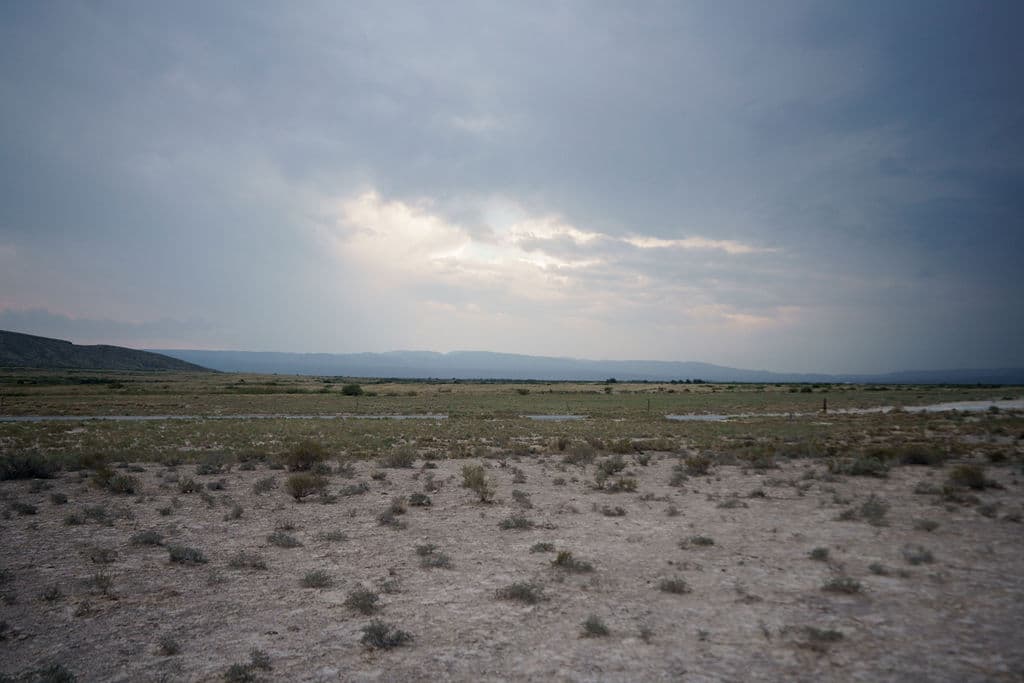
Photo Gallery