Loading story...

Forging a Finer Future
As told by
Plinio Guzman
Photos by
Benjamin Soto
January 8, 2026
January 8, 2026
Loading story...
Loading story...
At first glance, the intervention is easy to miss.
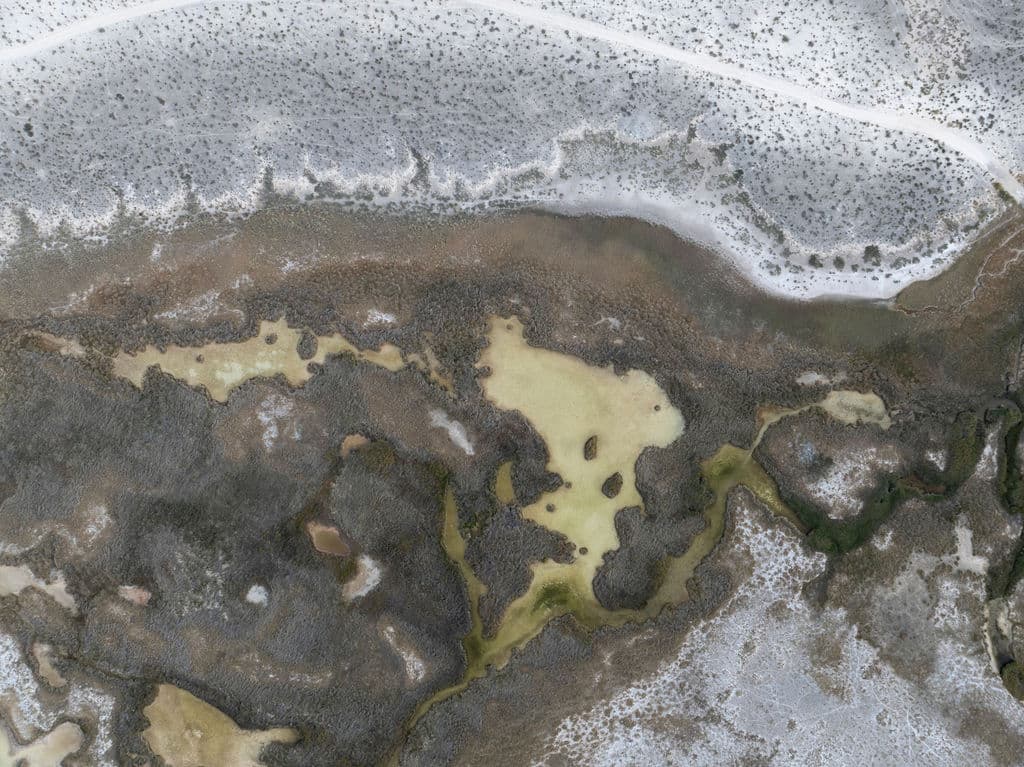
No large machinery. No monument to conservation. Just small earthen barriers (berms) moved with enough precision to redirect water toward an older path and hold it a little longer inside the system.
The results are visible, but so are their limitations.
A berm can be built in weeks. Funding for the next phase can take years. By the time money arrives, the basin may already have changed again.
The Saca Salada canal runs day and night, carrying water out of Cuatro Ciénegas across an open course that stretches for kilometers.
Some evaporates. Some leaks. Some illegally diverted along the way. The details vary. The direction does not. Thousands of liters per second drain, unaccounted for. Water is wasted. So is time.
The problem is not only that water leaves. It is that no single institution appears fully able, or willing, to regulate how it leaves. Smart valves have been proposed. Piping sections of the system has been proposed. Technical fixes exist.
But technical fixes sit inside a political structure of dispersed authority, misaligned incentives, and shared dependence on continued outflow.
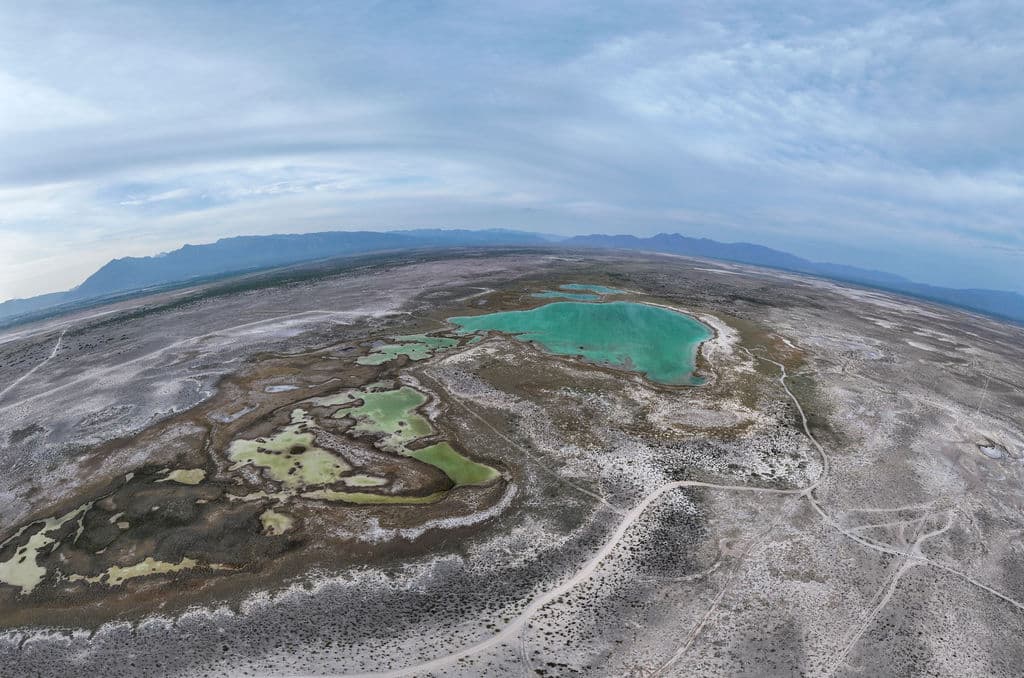
Responsibility spreads as water does.
In this basin, ecological decline moves season by season. Financing does not.
Approvals stall. Agencies operate on separate calendars. Grants arrive late. By the time money reaches the valley, the conditions it was meant to address have already shifted.
That lag turns knowledge into paralysis.
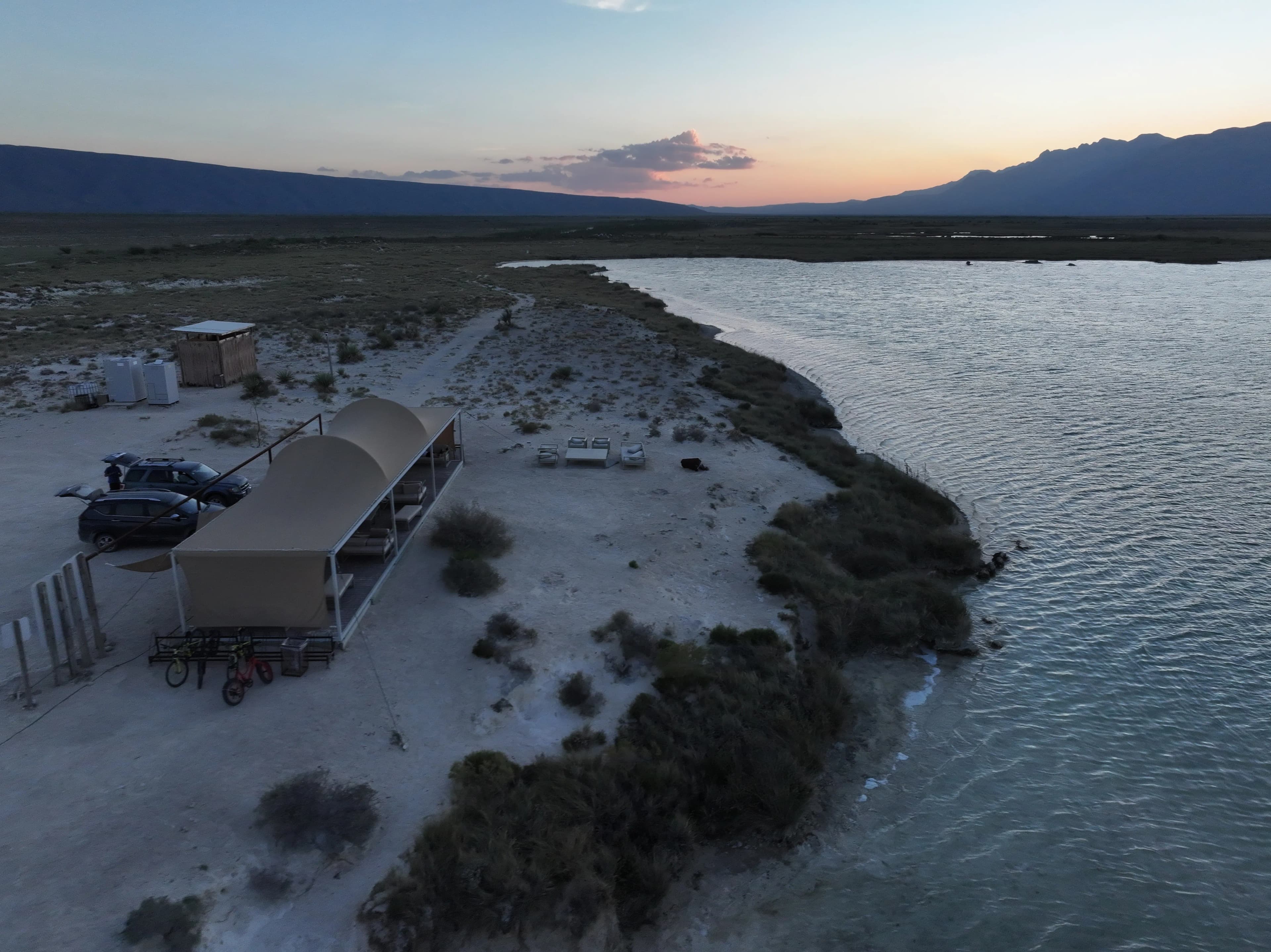
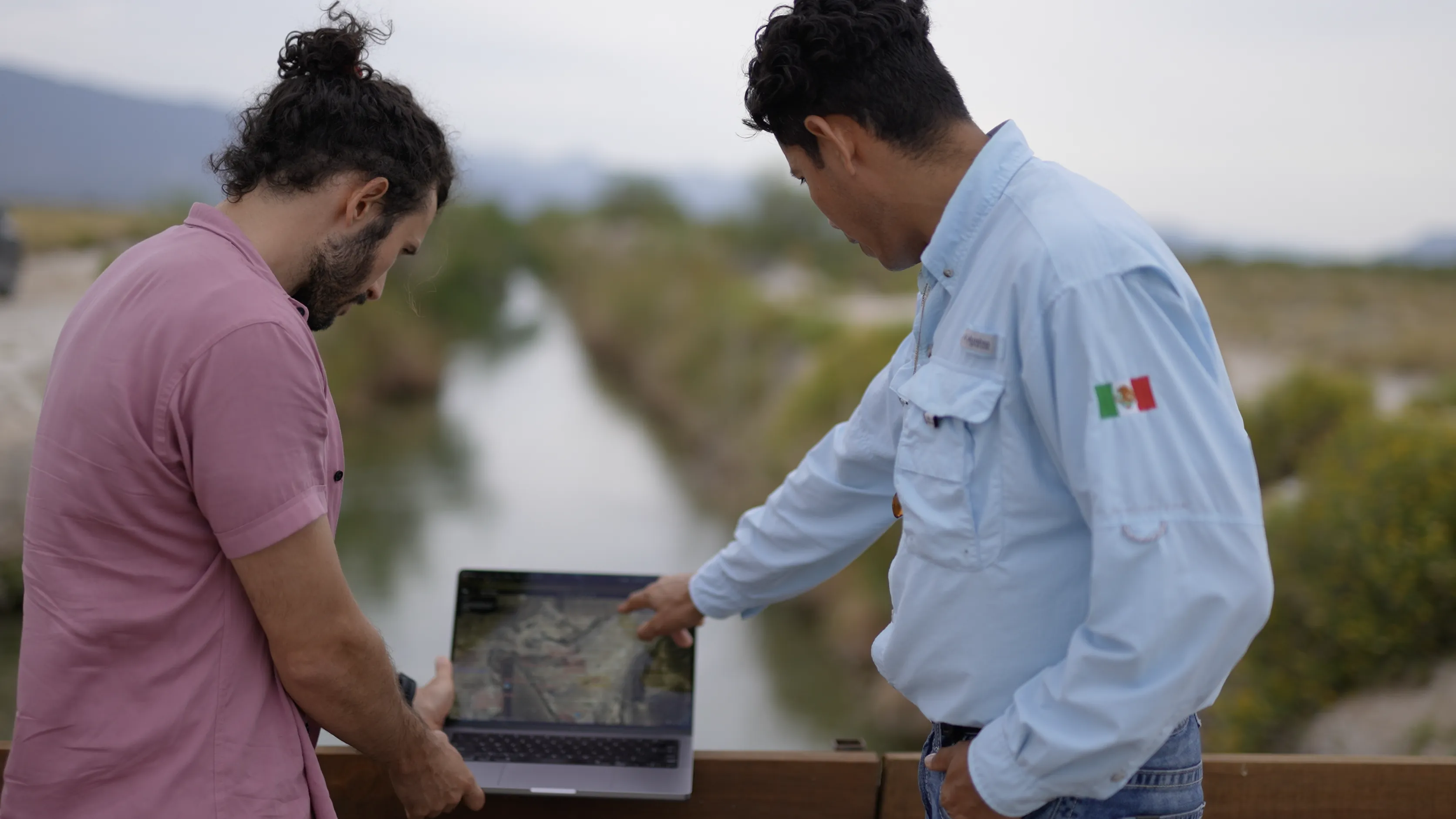
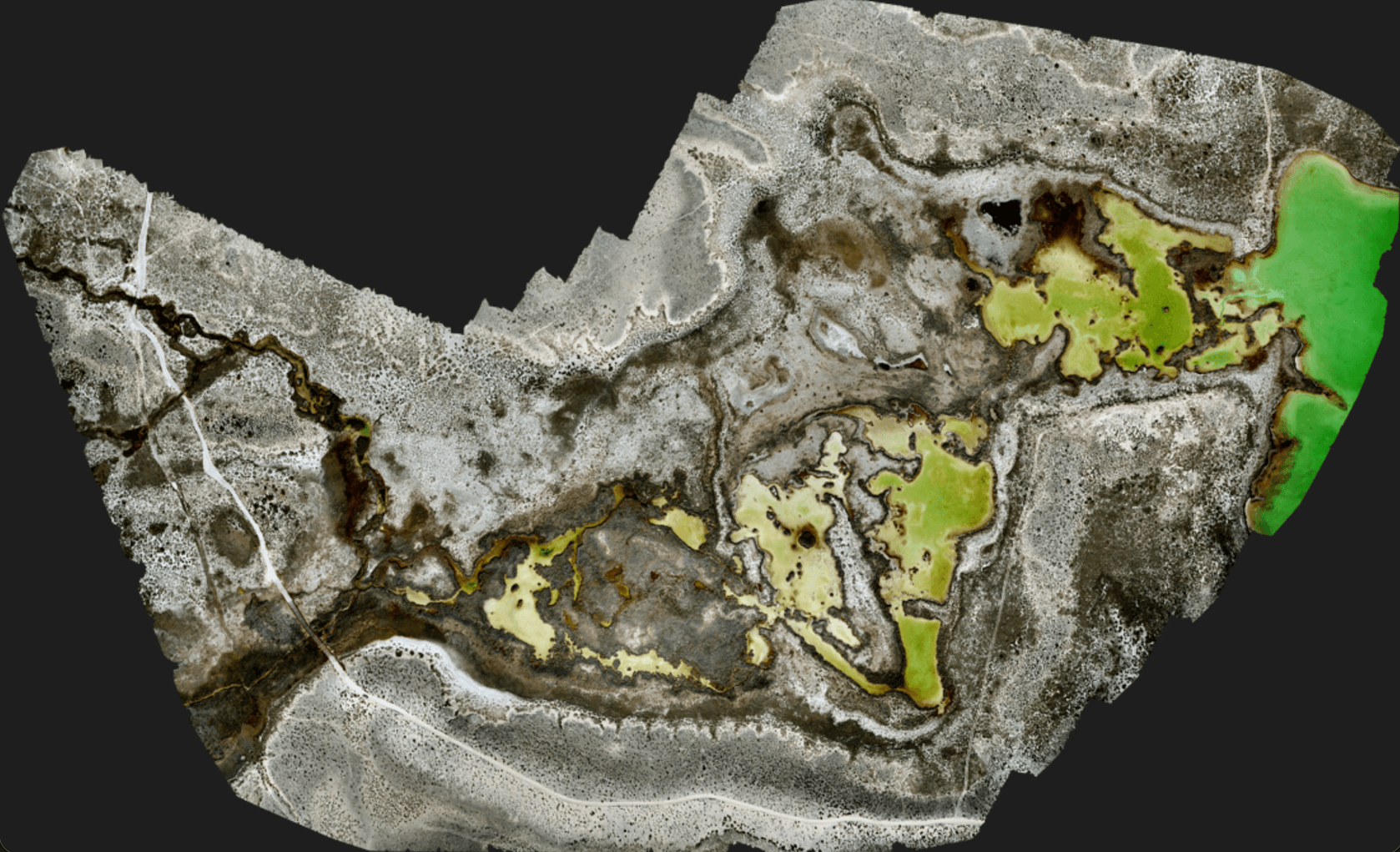
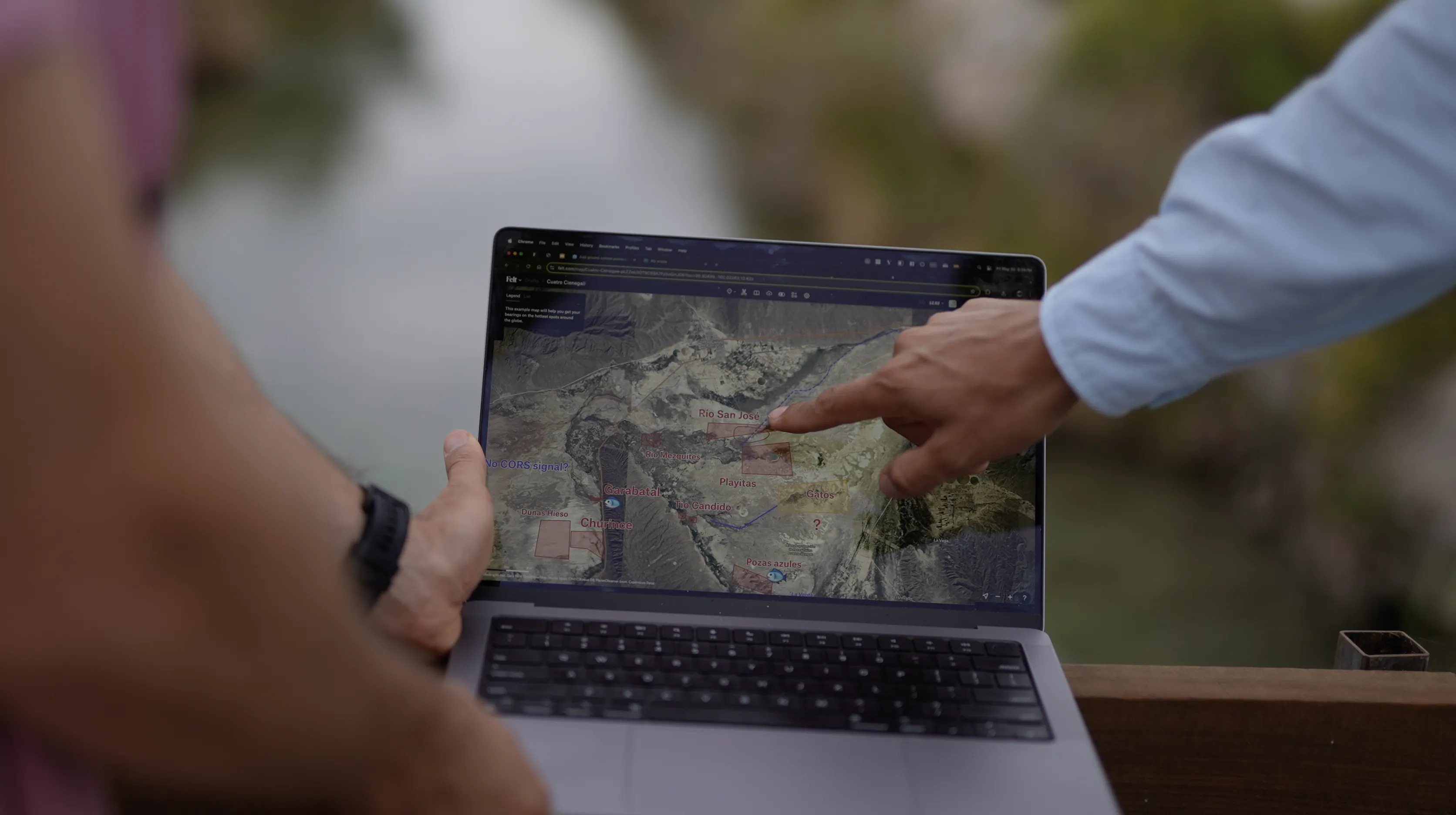
Scientists have mapped shrinkage, tracked moisture loss, documented contamination, and proposed interventions. Fernando and his team can identify vulnerable points. Engineers can describe what to repair.
But satellite images do not fund maintenance. Drone models do not compensate a farmer asked to switch crops. Evidence does not automatically become action.
The future arrives faster than the budget built to protect it.
That raises the harder question: not what should be done, but who gets to decide whose future is being protected when water is allocated.
CONAGUA governs concessions. CONANP protects the reserve. Engineers study management. Ejidatarios try to keep land productive. Scientists produce evidence. Tourism grows. Illegal wells appear and are shut. Water leaves the basin to sustain economies elsewhere. Milk companies profit from cows hungry for alfalfa.
Value accumulates far from the springs. Loss remains here.
Responsibility passes from hand to hand. This is not open conflict, it is deferral: many actors, partial authority, and a system that continues draining while each decision appears smaller than the whole it helps create.
Beneath all of this sits a quiet question: How much money is an intact basin worth?
Cuatro Ciénegas can be described in the language of biodiversity, hydrology, evolutionary rarity, ecotourism, pharmaceutical possibility, and natural capital. Each of those frameworks helps make a claim for protection.
The local “Génesis” lab has raised the promise that biotech research rooted in the basin’s unusual microbial and biochemical life could help direct funds toward conservation. Playitas, and Desuvalle AC, meanwhile, carry a different promise: that ecotourism might generate revenue by keeping water, landscape, and access worth preserving in place. Both are futures built on value. Neither erases the pressure already underway.
Capitalist thinking also sets a trap, because it requires the basin to earn its survival.
“If the basin has to justify itself only after it becomes profitable,” Fernando says, “we may already be too late.”
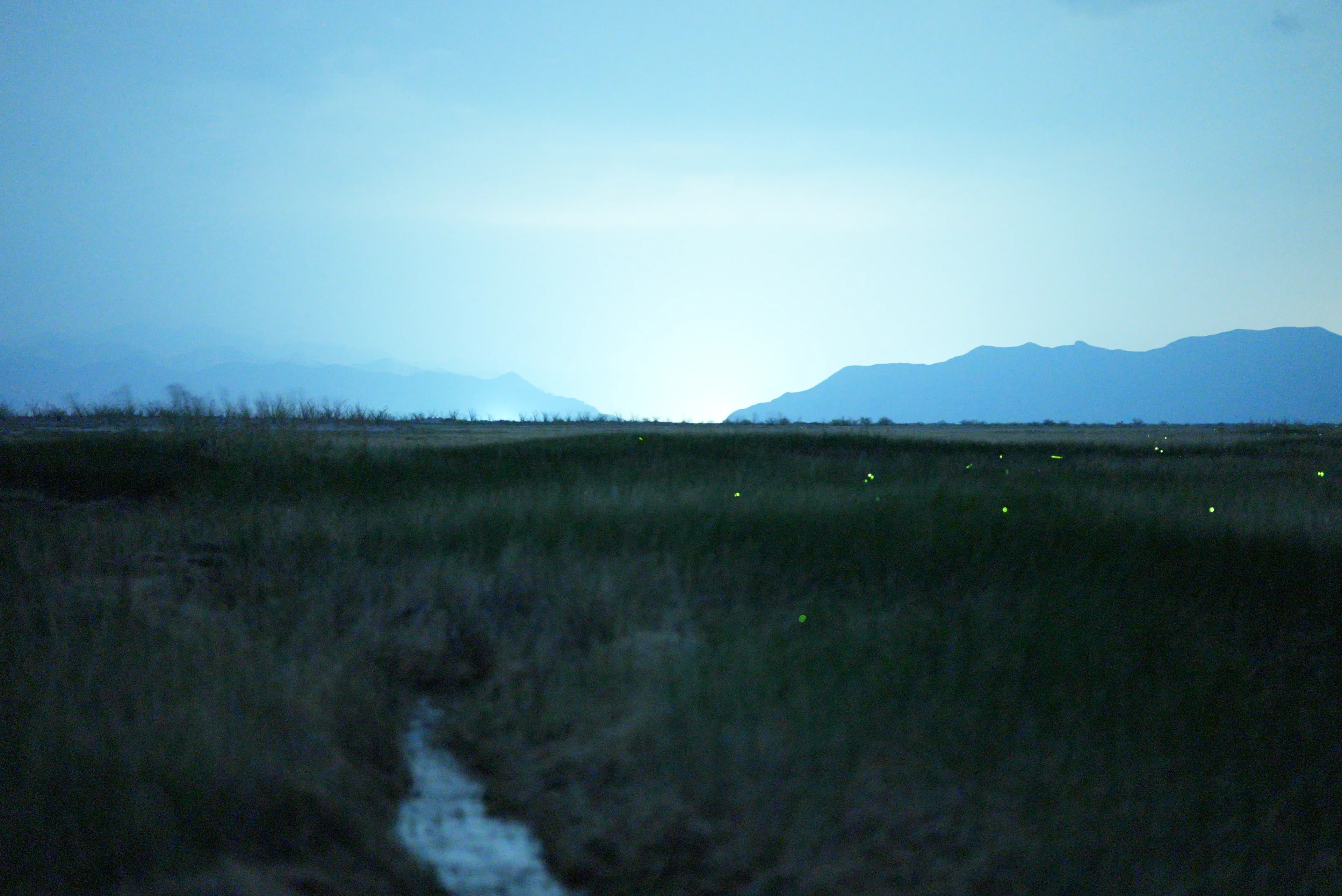
Funding does not buy certainty. It buys time.
Time for a berm to hold. Time for a control point to be installed. Time for institutions to align. Time, perhaps, for livelihoods to shift before drought makes the decision for them.
That is what makes the restoration work at Playitas feel both modest and enormous. The berm is not a decisive solution. It is an argument against delay.
What happens next depends on whether the basin’s scattered decisions can be brought into coherence before coherence itself becomes impossible.
.jpg&w=3840&q=75)
Photo Gallery