Loading story...

Ancient Archives
As told by
Plinio Guzman
Photos by
Benjamin Soto
The science and silence of stromatolites
January 10, 2026
The science and silence of stromatolites
January 10, 2026
Loading story...
Loading story...
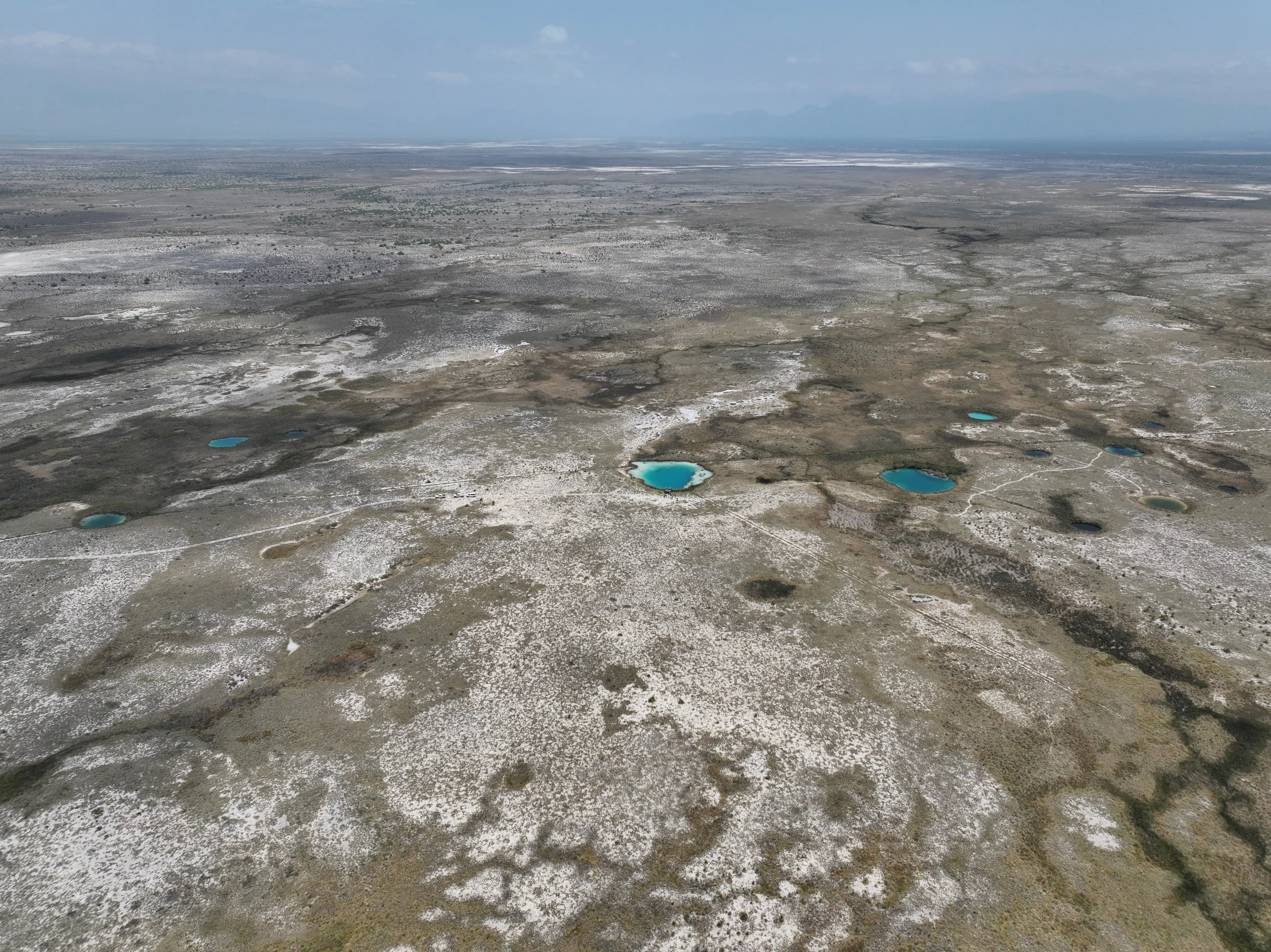
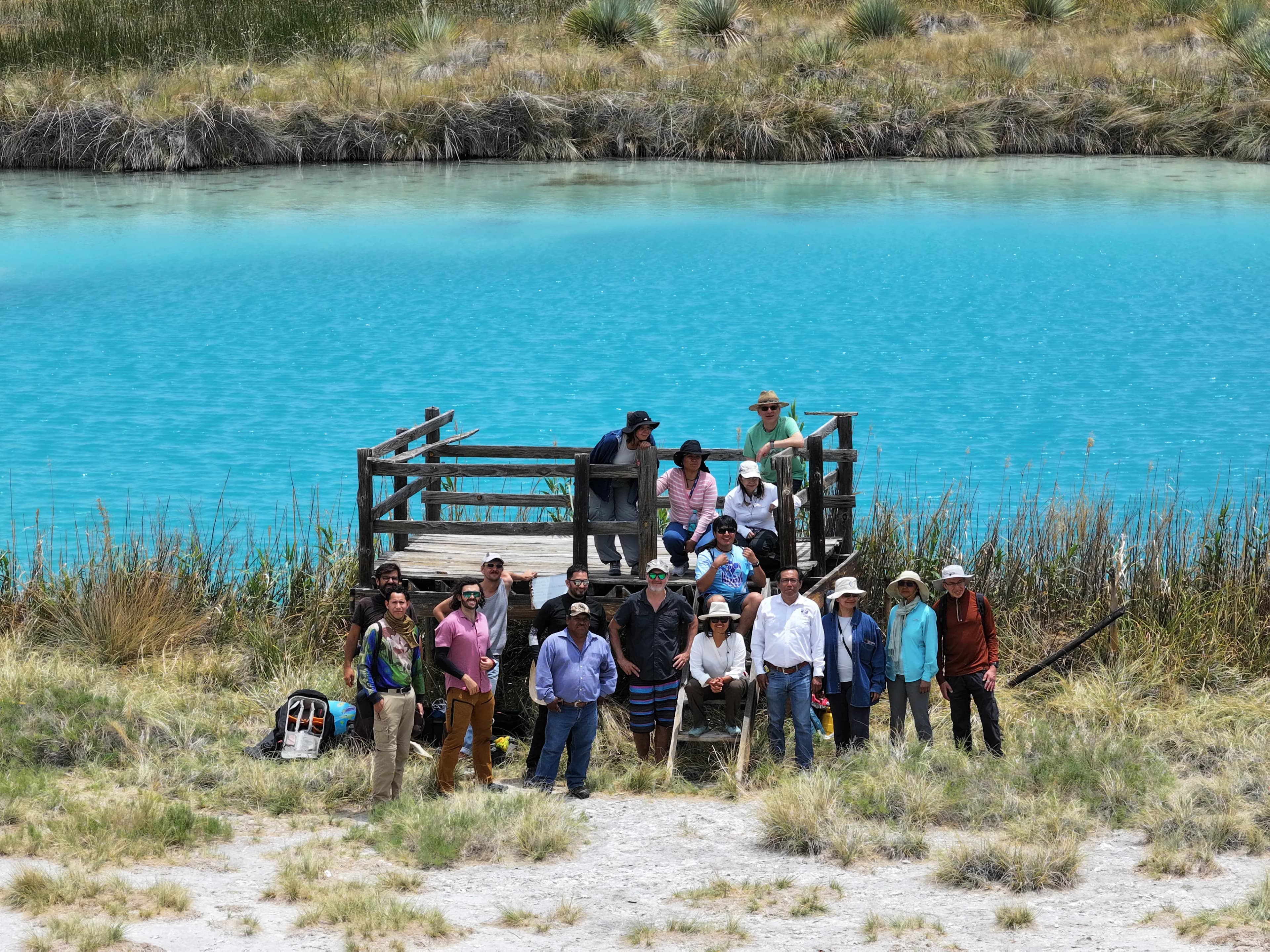
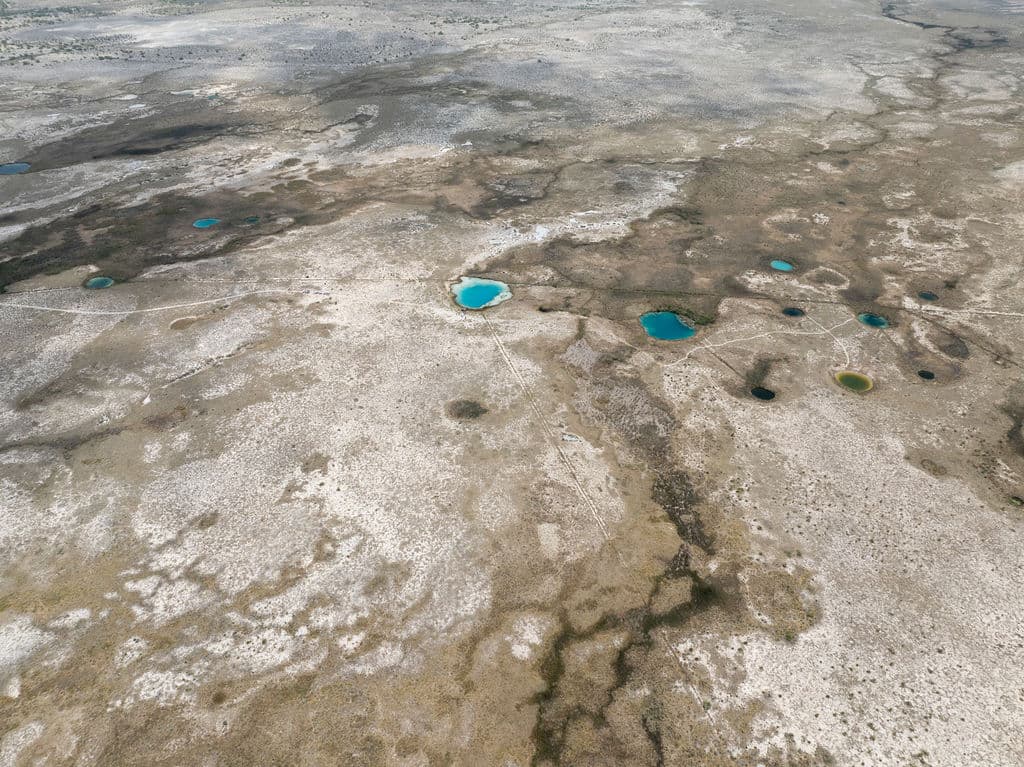
Pozas Azules sits beyond the easier roads, slightly apart from the rest of the basin.
The pools appear in scattered blues, each a different tone, as though the water were carrying several skies at once. From above, old channels still mark the land where water was once drawn outward. The place looks pristine from a distance. Closer, it looks protected partly by intention but mostly by the inconvenience distance and terrain posed by plundering.
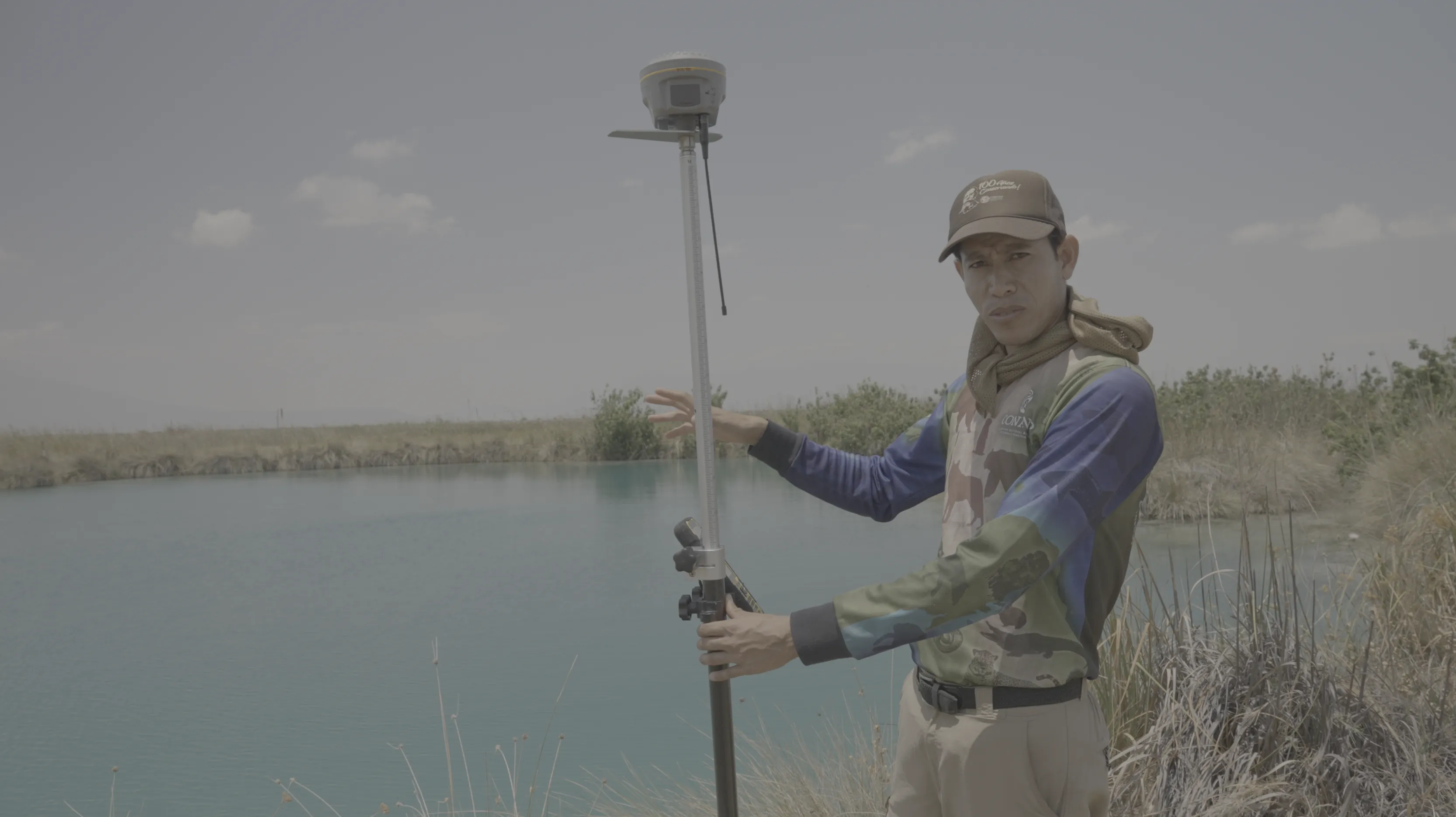
That distance has bought time. Not immunity.
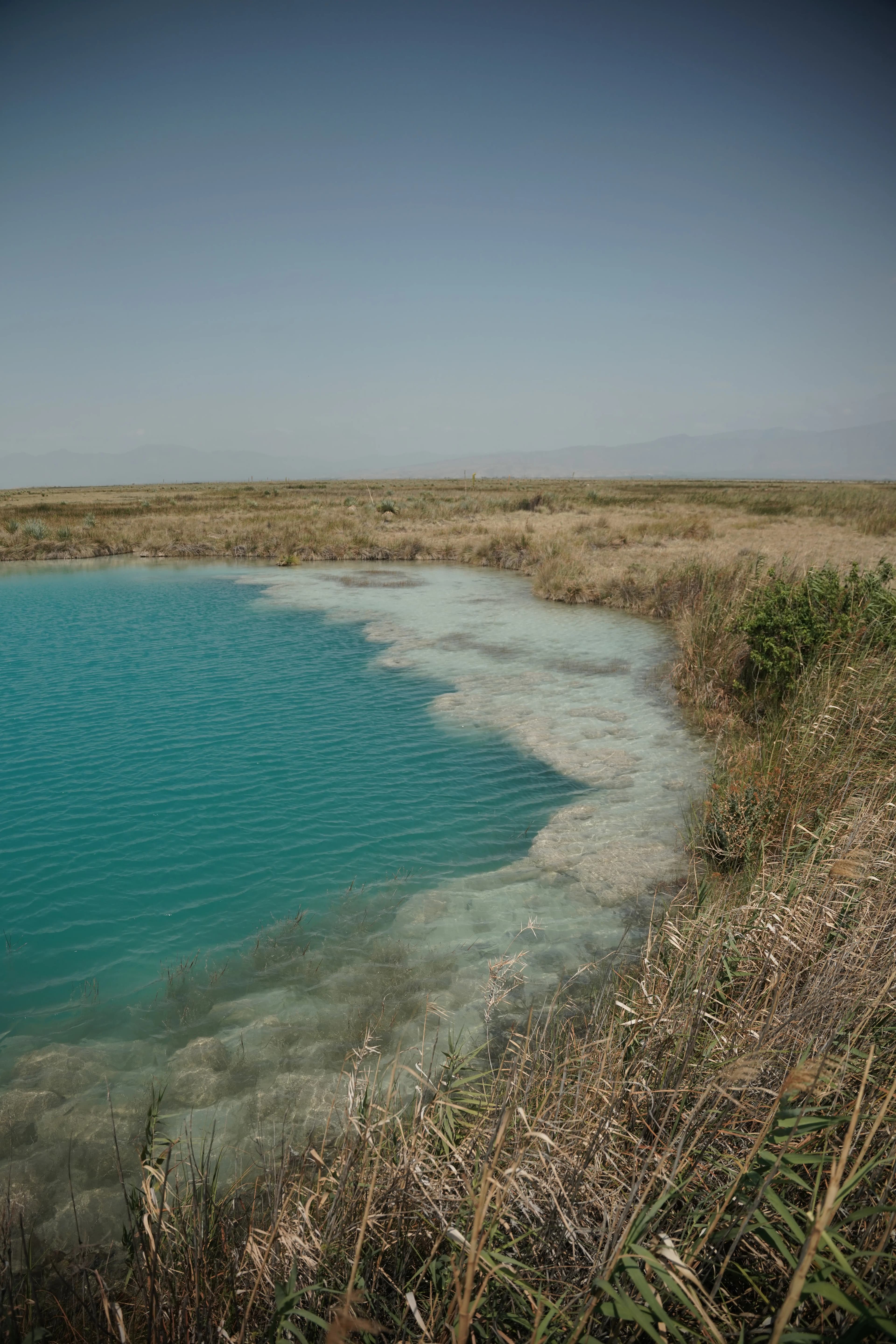
Beneath the water rise structures that look like reefs: Stromatolites. Alive.
Stromatolites are built layer by layer by microbial communities with lineages reaching back toward Earth’s earliest biological history.
What survives here is not only form, but continuity.
In these waters, scientists can still study modes of life that resemble older metabolic worlds, before oxygen reshaped the atmosphere, before the planet became hospitable to the ecosystems humans now take for granted. Over immense time, new metabolisms layered over older ones. The lineage continued.
That is what makes a stromatolite in Pozas Azules more than an object of curiosity. It is not simply evidence of ancient life. It is living continuity with it.
.jpg&w=3840&q=75)
That continuity depends on narrow conditions.
The waters here are poor in nutrients. What sounds like deprivation is part of the system’s protection: Scarcity prevents other organisms from overrunning what has persisted. But the protection is thin.
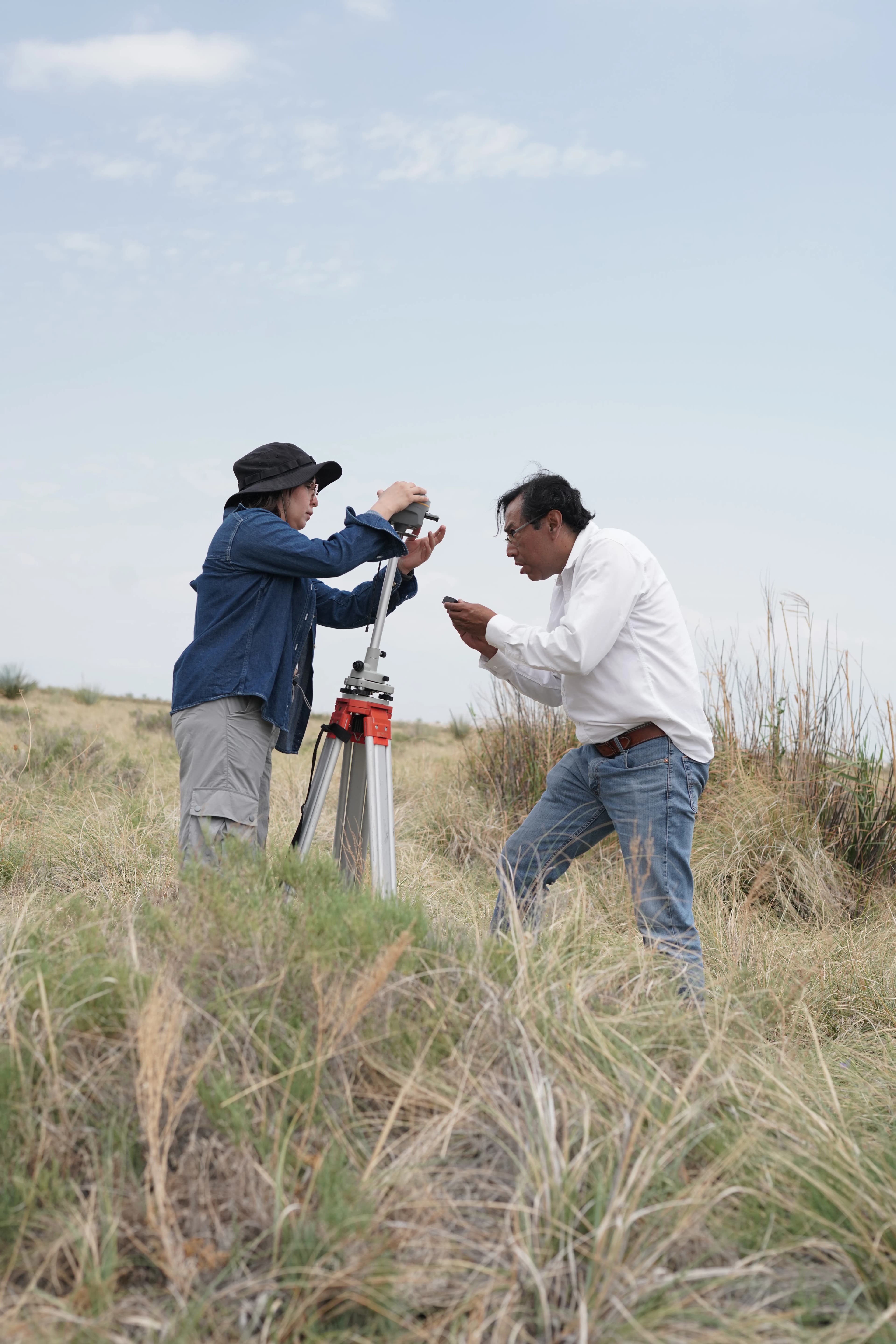
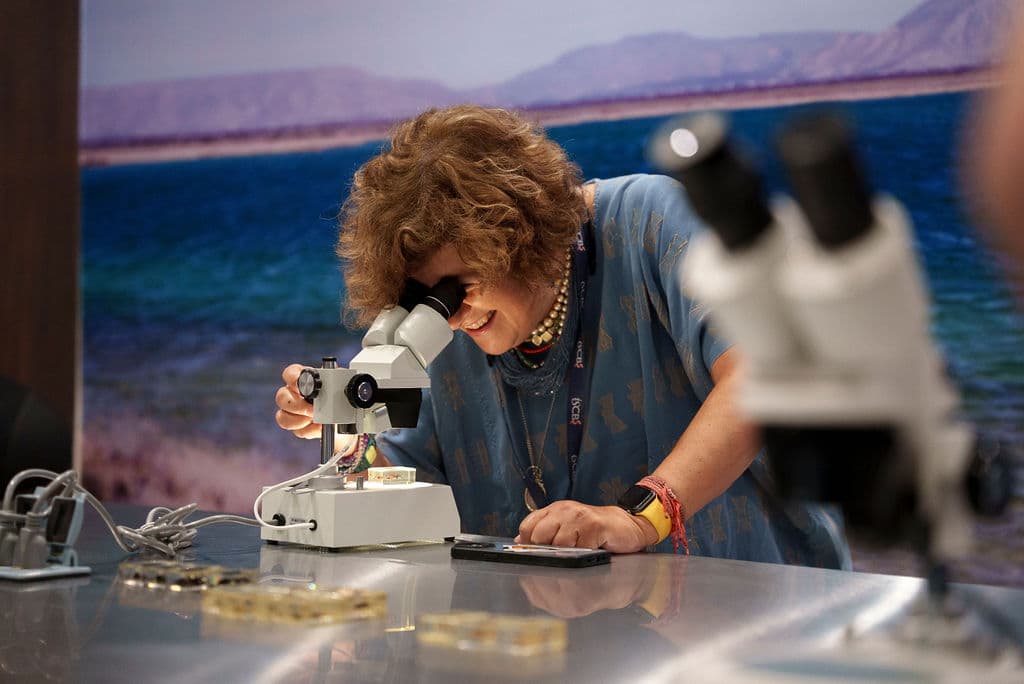
Scientists approach these waters carefully, often with a restraint that resembles awe. “They can be sampled,” one researcher says, “but they cannot be rebuilt once lost.”
When conditions shift too quickly, continuity breaks. Water may return later and still fail to restore what was interrupted.
The danger lies not only in water level, but in chemistry: nutrients, temperature, mineral balance, flow. The structure may still appear present even as the living process inside it begins to fail.
The threat here is not disappearance. It is interruption.
A decision made elsewhere in the basin — a field, a pump, a canal, a hotel, a policy office — can register here as altered chemistry in water that appears isolated. What looks like a local adjustment in one place becomes a system-wide disturbance in another.
That is what modern thirst means at Pozas Azules: not only less water, but broken continuity in a system that remembers much longer than humans have.
If a crop fails, it can be planted again. If a species declines, conservation still sometimes imagines recovery in familiar terms.
This is different.
What disappears here is not only rarity, but an uninterrupted record of how life organized itself under severe constraint. Not symbolic memory. Evolutionary memory. A smudge on the blueprint of life.
Pozas Azules still holds clarity. It still carries what other parts of the basin begun to lose. Loss would not arrive as spectacle. It would arrive as dusty echoes of a ghost town.
The question is no longer whether there is an economic argument to protect these ecosystems. It is whether recognition can arrive before interruption does. Whether these ancient archives can outlast a modern thirst.
Photo Gallery